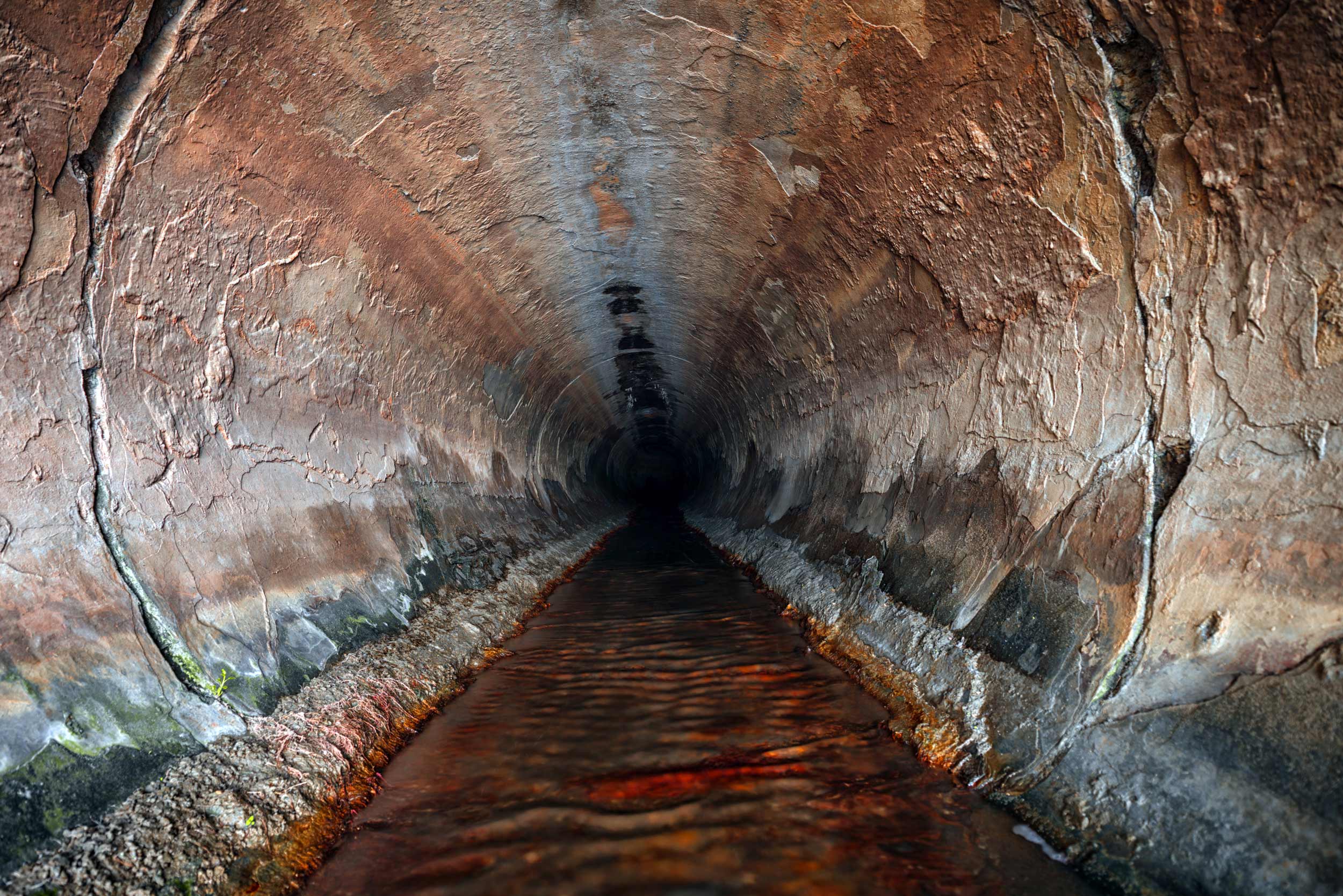
What Is a Lift Station? Parts, Types, How It Works and Why Wet Wells Corrode
What is a lift station? How sewage pump stations work, the main parts, submersible vs dry-well, wet well sizing, common failures and a pump cycle calculator.

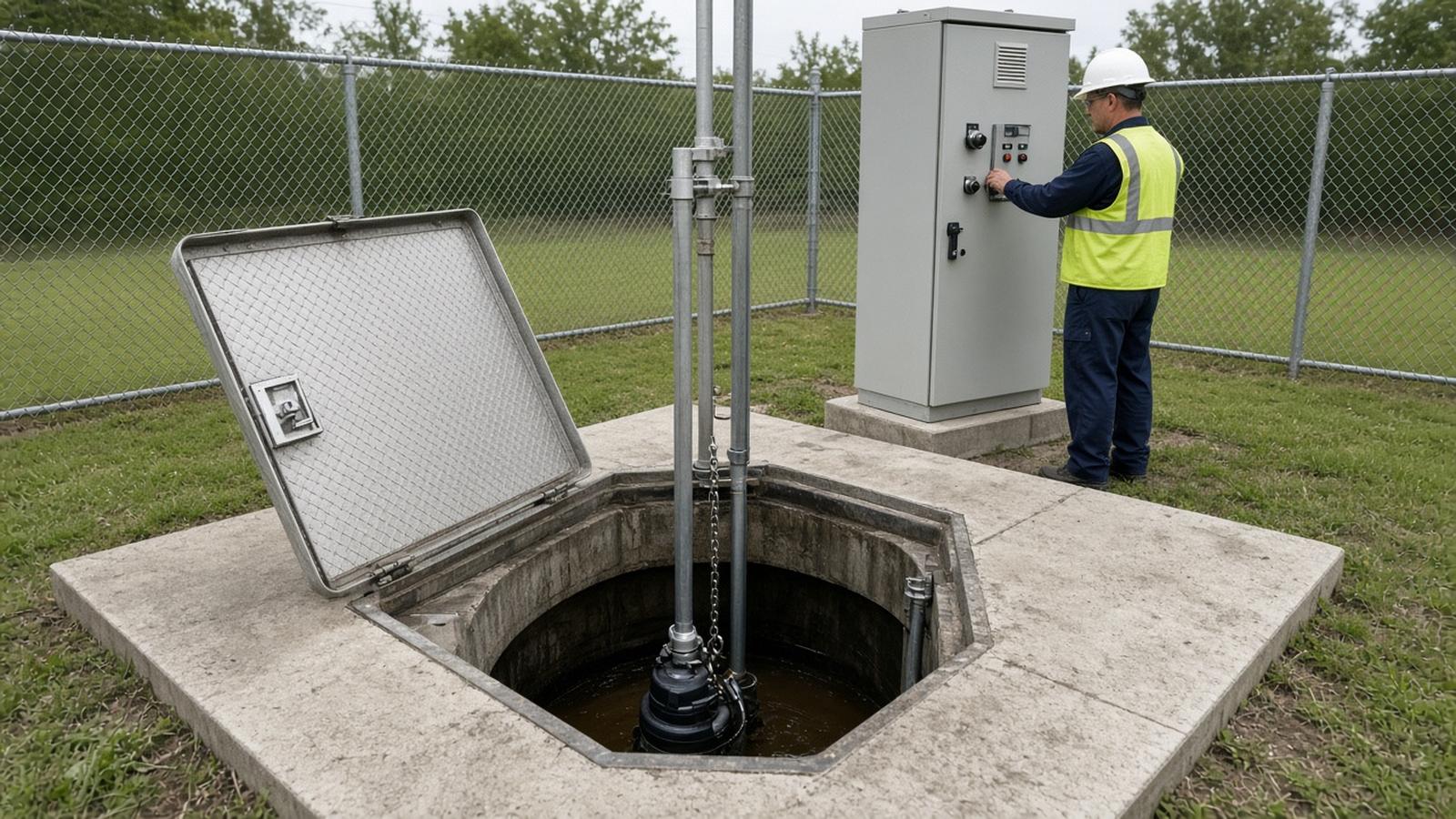
The first lift station I ever crawled into (with a gas monitor clipped to my chest and a guy on the tripod up top) was a 10-foot-deep concrete pit behind a strip mall, and the smell is something you don’t forget. From the parking lot it was just chain-link, a steel hatch and a gray box on a post. So, what is a lift station? It’s the pump that gets sewage up and over ground that won’t let it run downhill, so gravity can take it the rest of the way.
What is a lift station, and why do sewers need them?
Here’s the thing about gravity sewers: they’re nearly free to operate, no power at all, but they need fall. Run one far enough across flat country and the pipe ends up deeper with every manhole. Sooner or later the trench gets deep enough, or hits enough rock, that a city engineer decides paying for pumps and electricity beats digging. Same story when a ridge sits between a neighborhood and the plant, or a whole subdivision got built in a low spot.
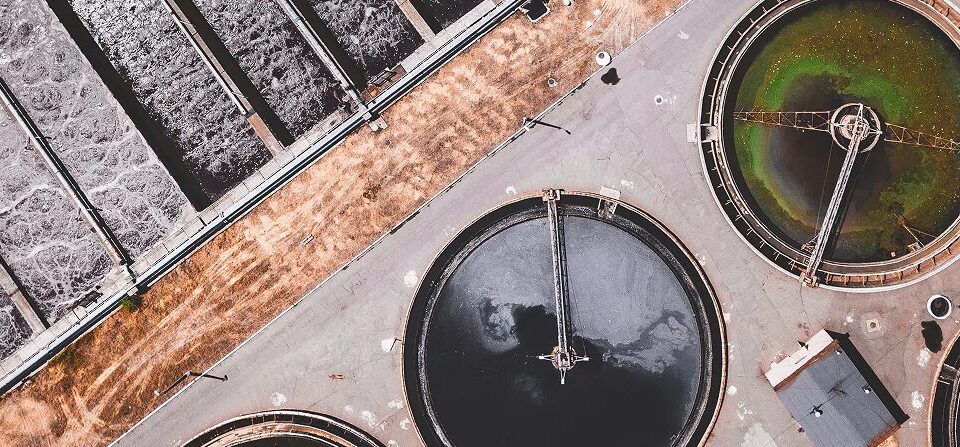
Inside, it’s simple enough. Sewage drops by gravity into a pit (the wet well), and when it fills to a set level, pumps kick on and push it out through a pressurized pipe, the force main, up to the next gravity line or straight to the plant.
The EPA’s wastewater technology fact sheet on sewer lift stations notes they range from small stations handling about 20 gallons per minute up to large ones moving over 100,000 gpm. Prefabricated stations are common up to about 10,000 gpm.
The main parts of a lift station
| Component | What it does |
|---|---|
| Wet well | Receives and stores incoming sewage until pumps start |
| Screens or grinder | Catches or chops rags and solids so they don’t clog the pumps |
| Pumps and motors | Lift the sewage into the force main |
| Valves and piping | Check valves stop backflow; isolation valves allow maintenance |
| Controls | Floats, bubblers, electrodes or level sensors start and stop pumps |
| Alarms | Warn of high levels, pump failures and power loss |
| Power supply | Utility power plus backup such as a generator |
| Odor control and ventilation | Manages gases and odors from the wet well |
That list tracks the EPA sheet. For us, the wet well is where most of the work is, because that’s the part the gas chews up.
Wet-well/dry-well vs submersible stations
There are two main layouts.
Wet-well/dry-well
Here the pumps live in their own dry room beside the wet well, piped through the wall. An operator can walk right up to a pump with a wrench, which is nice. You pay for it with a bigger, pricier structure.
Submersible
In these, the pumps sit at the bottom of the wet well, underwater, on guide rails. When one needs service, a truck with a hoist pulls it straight up and nobody climbs down. Smaller footprint, lower price, and the EPA sheet notes a trend toward replacing small and mid-size dry-well stations with submersible ones.
Most of the small neighborhood stations you see today are submersibles: a concrete or fiberglass wet well, two pumps on rails, a hatch and a control panel.
How a lift station works, step by step
- Sewage flows by gravity into the wet well.
- The level rises until it hits the “pump on” setpoint.
- A pump starts and draws the level down.
- At the “pump off” level, the pump stops.
- The cycle repeats, and the controls usually alternate pumps to share the wear.
- If the level keeps rising, a second pump starts. If it still rises, a high-level alarm goes off.
Pump controls can be as simple as float switches or as advanced as variable frequency drives (VFDs) that match pump speed to inflow. Pump systems typically run at 75 to 85% efficiency most of the time, according to the EPA fact sheet.
Wet well sizing and pump redundancy
A wet well has to balance two things. It should be big enough that pumps don’t start and stop too often, which wears out motors. But it shouldn’t be so big that sewage sits too long, turns septic and releases odors and hydrogen sulfide.
The EPA fact sheet gives typical numbers:
- Maximum wet-well detention of about 20 to 30 minutes with constant-speed pumps
- About 5 to 15 minutes with VFDs
- A minimum bottom slope of 2:1 to help the well self-clean
Redundancy matters just as much. Small stations, under about 700 gpm, usually have two pumps, each able to handle peak flow on its own. Larger stations often use three or more pumps: two duty pumps that together meet peak flow and one standby.
Wet well cycle time calculator
Lift station pump cycle estimator
The math is the standard cycle relationship: fill time is volume divided by inflow, and pump time is volume divided by pump rate minus inflow. The shortest cycle happens when inflow is exactly half the pump rate, which works out to four times the working volume divided by the pump rate.
Who owns and runs lift stations
Most lift stations belong to a city or a sewer district, and their operators handle the inspections and repairs. But plenty are private: a subdivision built below the main sewer, an industrial park, a school or a shopping center. Those are often owned by an HOA or the property owner, who may not realize they’re on the hook for pumps, controls and the wet well itself until something fails. At the smallest end, a single home below the sewer line might have its own grinder pump, which is a lift station in miniature.
If you own one, find out who maintains it, who gets the alarm call, and when the wet well was last inspected.
What goes wrong at lift stations
Lift stations fail in a handful of predictable ways:
- Power outages. Without backup power, the wet well fills and sewage backs up or overflows. The EPA fact sheet lists options like dual utility feeds, standby or portable generators, and engine-driven backup pumps.
- Clogging. Rags and “flushable” wipes wrap around impellers. Screens and grinders help, and so does keeping them clean.
- Grease buildup. Fats, oils and grease float and coat walls, floats and level sensors. Our page on grease trap coating covers the source side of the problem.
- Odors. Turbulence and long detention release hydrogen sulfide.
- Corrosion. That same hydrogen sulfide eats the concrete above the waterline.
Corrosion in the wet well
This is where lift stations quietly fall apart. Sewage that sits releases hydrogen sulfide gas. Bacteria on the moist concrete above the waterline convert it into sulfuric acid, which dissolves the cement paste. Over the years, walls lose thickness, aggregate sticks out and rebar starts rusting. Hatches, rails and anchor bolts corrode too.
We explain the chemistry in detail in hydrogen sulfide concrete corrosion. The short version: the worst damage tends to show up in the headspace and splash zone, not below the water.
Inspection and maintenance checklist
The EPA fact sheet says weekly inspections are typical, though it depends on the size of the station.
Lift station checklist (click each)
☐ Check pumps and run hours
Look for unusual noise, vibration or rising run times, which can mean wear or clogging.
☐ Test floats and alarms
A stuck float or dead alarm turns a small problem into an overflow.
☐ Clean screens and wet well
Remove rags, grit and grease before they build up.
☐ Exercise valves
Check valves and isolation valves should open and close freely.
☐ Test backup power
Run the generator under load on a schedule.
☐ Inspect the concrete
Look for exposed aggregate, soft concrete and rusting metal above the waterline.
☐ Service odor control
Replace scrubber media or chemicals as needed.
When a lift station needs rehabilitation
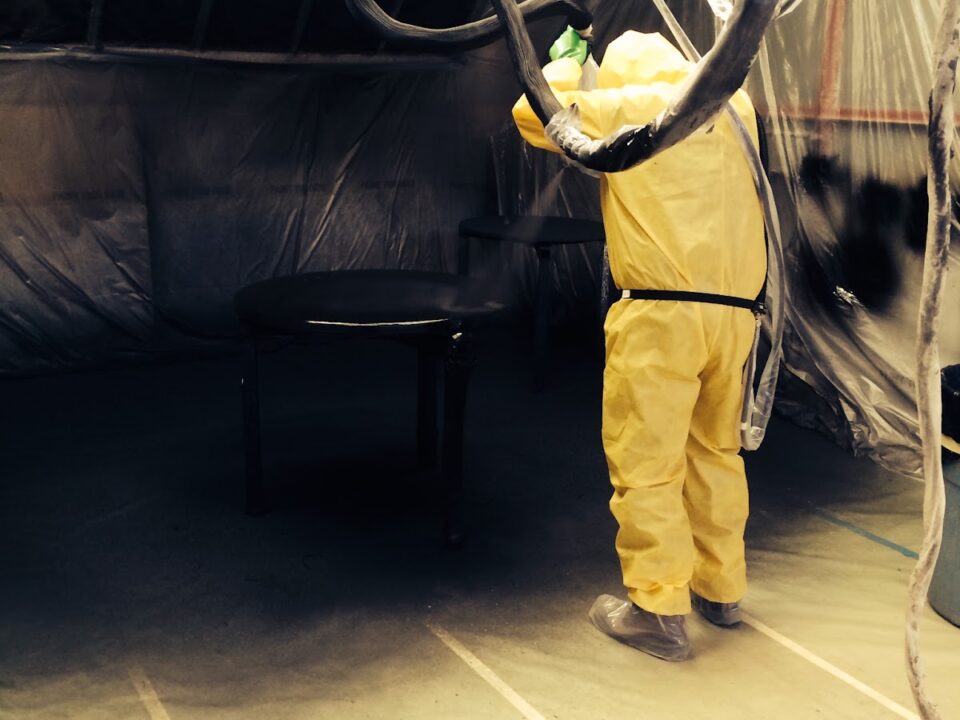
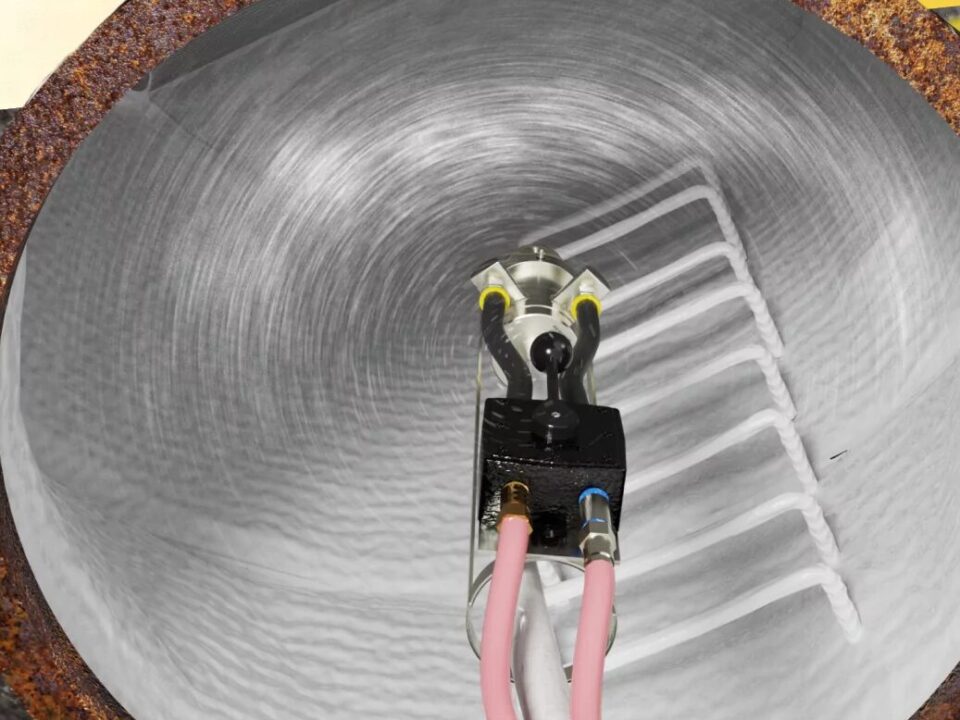
When a wet well’s concrete is soft, spalled or showing aggregate, it’s time for rehab. Usually that means cleaning, removing damaged concrete, rebuilding with a repair mortar and lining the structure with a corrosion-resistant coating like polyurea or epoxy. Pumps, rails and controls often get upgraded at the same time.
We cover the process in lift station rehabilitation with protective coatings, and the material trade-offs in polyurea vs epoxy for wastewater systems.
Lift station FAQ
What is a lift station in plumbing or sewer terms?
A pumping station that lifts wastewater from a lower point to a higher one so it can keep flowing to the treatment plant.
What is the difference between a lift station and a pump station?
The terms are often used interchangeably. “Lift station” usually means a sewage pumping station in the collection system.
How does a lift station work?
Sewage flows into a wet well; level controls start pumps that push it through a force main; then the pumps shut off and the cycle repeats.
What happens if a lift station loses power?
The wet well fills and sewage can back up or overflow unless backup power or pumping is available.
Why do lift stations smell?
Sewage that sits releases hydrogen sulfide. Good wet-well sizing, ventilation and odor control reduce it.
How long does a lift station last?
It depends on the design and maintenance. Pumps and controls wear out sooner than the structure, and corrosion often decides when the wet well needs rehab.
Start your own wastewater coatings business
Get equipment, training and lifetime support with the ArmorThane system — no franchise fees.