
Hydrogen Sulfide Concrete Corrosion: How Sewers Eat Themselves and How Coatings Stop It
Bacteria turn sewer gas into sulfuric acid right on the crown of the pipe. Here is how H2S corrosion works, where it hits hardest, and what a coating has to survive to stop it.

Concrete is tough, alkaline and cheap, which is why so much of our sewer infrastructure is built from it. It also has one natural enemy that lives right inside the system. Given the right conditions, sewage produces a gas that bacteria turn into sulfuric acid, and that acid dissolves concrete from the inside out. If you are getting into wastewater coatings, this process is the reason most of your work exists.
The chain reaction, step by step
- Sulfide forms in the flow. In low-oxygen sewage, sulfate-reducing bacteria in the slime layer on pipe walls convert sulfate to sulfide. Long force mains, warm temperatures and slow flow make this worse.
- Gas escapes. Wherever the flow gets turbulent, like drops, lift station wet wells, siphon outlets and force main discharges, dissolved sulfide comes out as hydrogen sulfide gas.
- The surface gets ready. Fresh concrete has a very high pH. Over time, carbon dioxide and H2S lower the surface pH until bacteria can colonize it.
- Acid is made on the wall. Sulfur-oxidizing bacteria in the condensation on the crown and upper walls convert H2S into sulfuric acid. Surface pH can drop to around 1 or 2 in bad cases.
- Concrete breaks down. The acid reacts with the cement paste to form gypsum and other expansive compounds. The surface turns soft and pasty, then falls away, exposing fresh concrete and eventually rebar.
That cycle repeats as long as the conditions exist, and in aggressive environments it can remove a meaningful amount of concrete every year.
Where to look for it
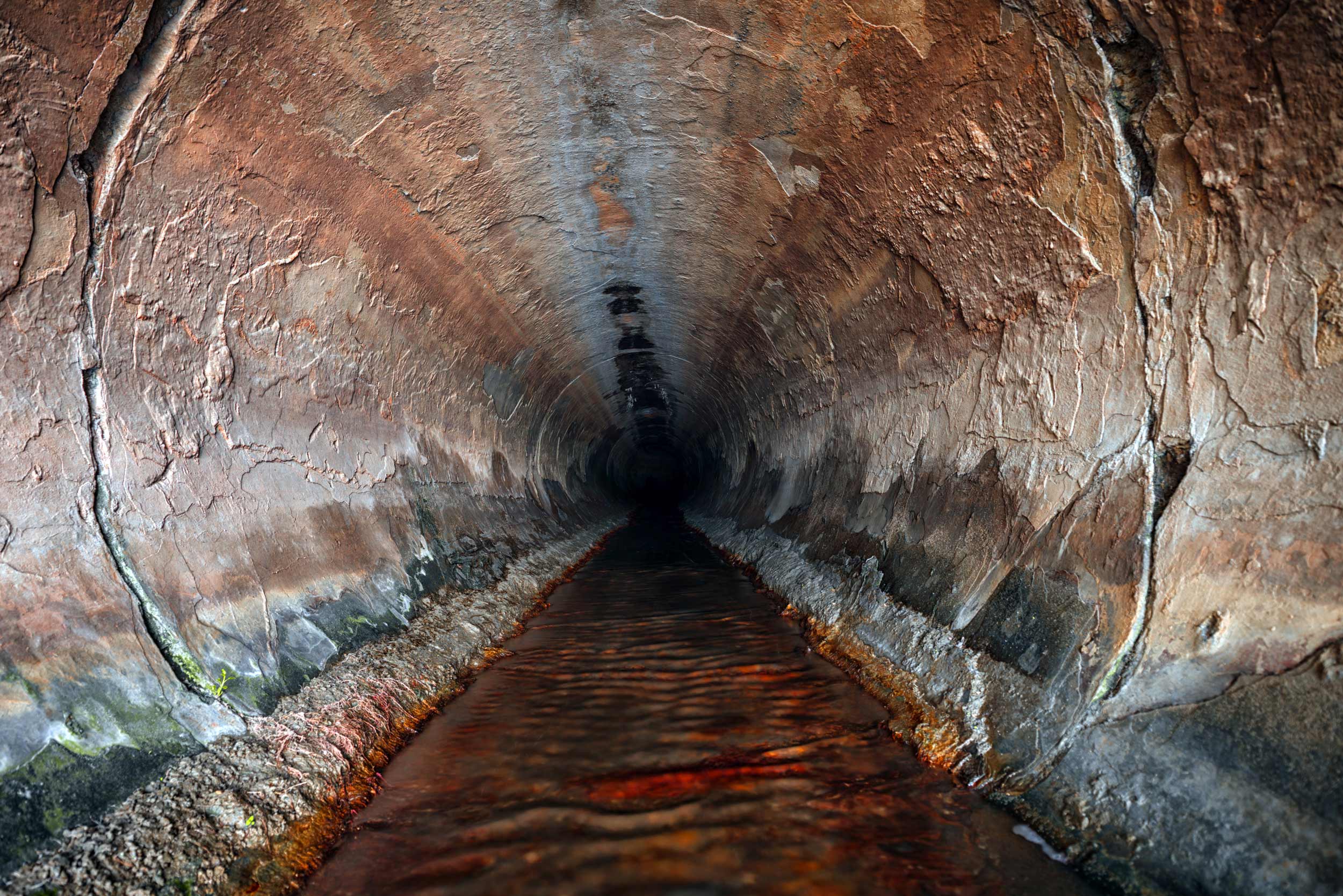
- The crown and upper walls of gravity sewers, not the bottom. The flow keeps the invert wet and relatively protected.
- Manholes downstream of force main discharges
- Lift station wet wells
- Drop structures and junction chambers with turbulence
- Headworks and primary treatment areas at the plant
Our sister site Manhole Recovery has an excellent field guide on spotting this in manholes during inspections.
What a coating has to survive
A lining for an H2S environment is not a regular paint job. It has to:
- Resist strong sulfuric acid continuously
- Bond to concrete that is often damp, uneven and partially degraded
- Keep out vapor so acid cannot form underneath it
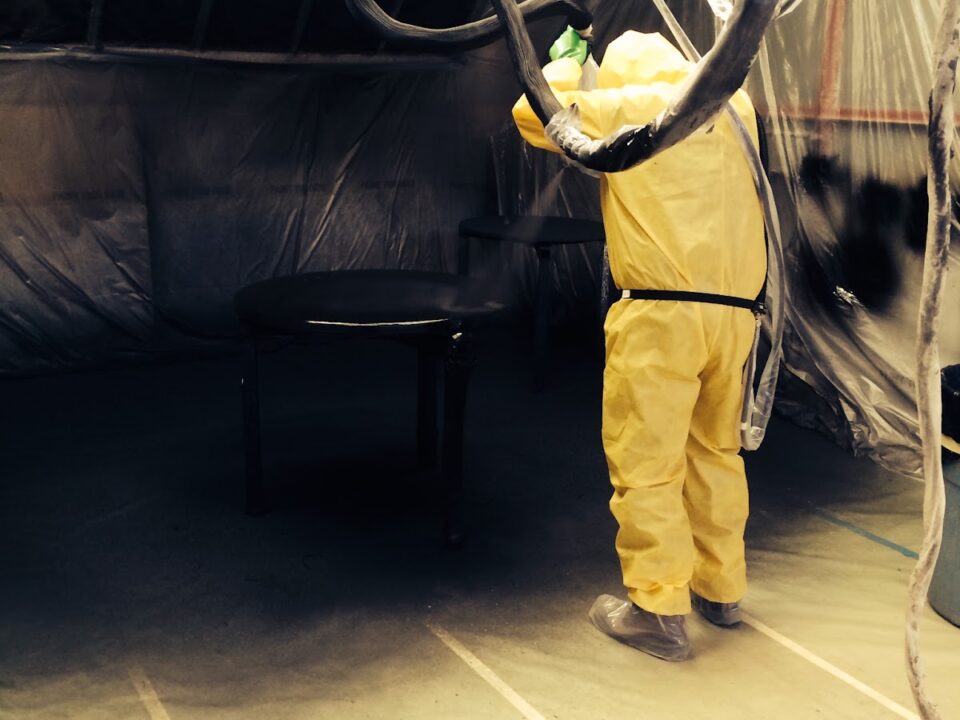
- Go on fast in a confined space, ideally with minimal downtime
- Tolerate some movement and minor cracking without opening up
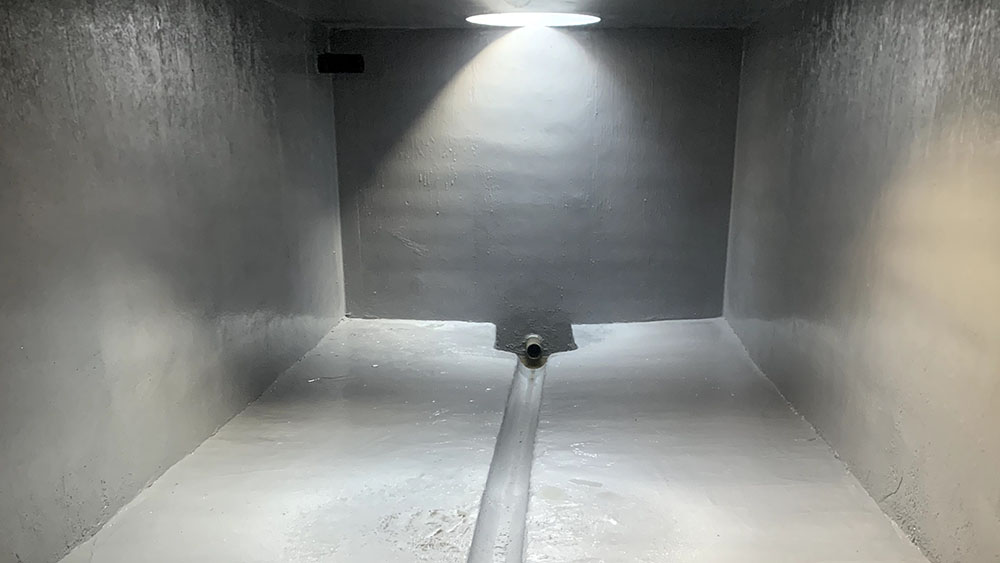
Common choices include 100 percent solids epoxies, pure polyurea and polyurethane systems, and specialty mortars like calcium aluminate as a structural layer. Many projects use a cementitious rebuild followed by a polymer barrier coat. ArmorThane’s overview of chemical resistant coatings explains how the different families hold up to acids.
Prep makes or breaks it
The softened, acid-damaged layer has to go. That usually means high-pressure water blasting until you reach sound, hard concrete. Crews then test surface pH, rebuild lost section with a repair mortar, and allow the surface to reach the condition the coating manufacturer requires. Coating over soft gypsum is guaranteed failure, because the coating will bond beautifully to a layer that is itself coming apart.
Can you prevent it instead?
Utilities also attack the problem at the source with chemical dosing, ventilation and odor control, and design changes that reduce turbulence. Those help, but they rarely eliminate corrosion in older systems. Coatings remain the main line of defense for existing concrete.
For contractors
H2S corrosion work is steady, specialized and not going away, which makes it a good niche. It does require confined-space training, gas monitoring, and equipment that can handle long hose runs into structures. Our post on lift station rehabilitation with protective coatings covers what one of those jobs looks like start to finish.
Start your own wastewater coatings business
Get equipment, training and lifetime support with the ArmorThane system — no franchise fees.
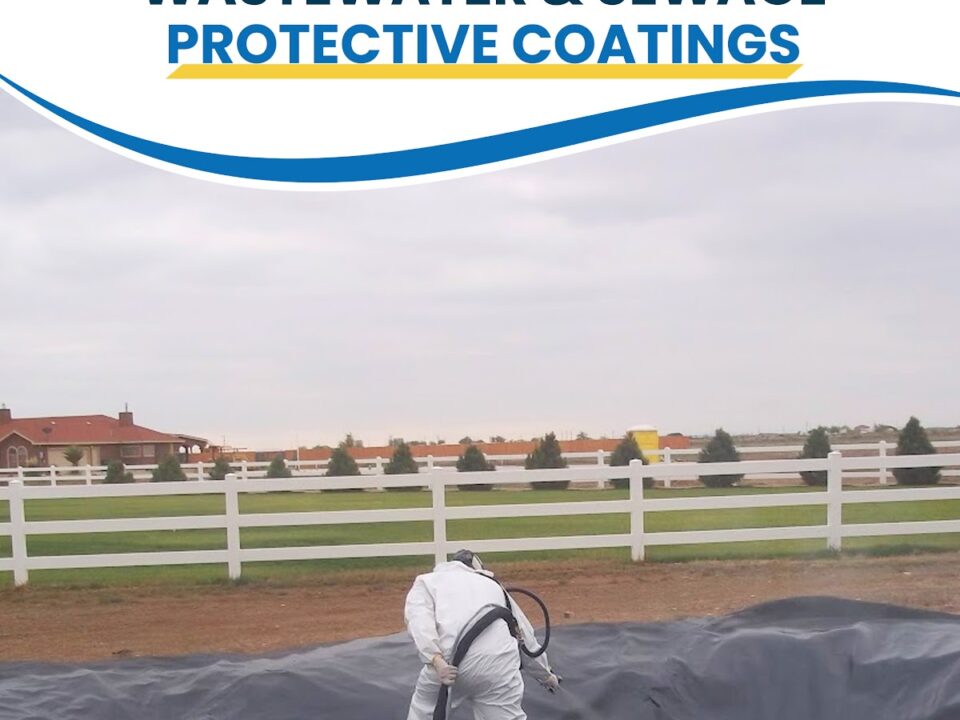
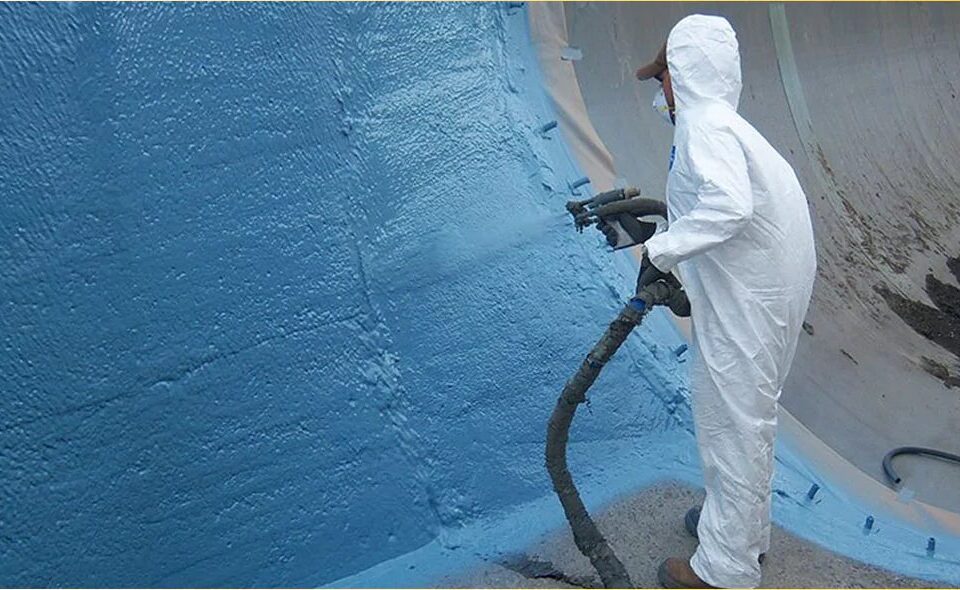
[…] Hydrogen sulfide. Anaerobic conditions in the tank produce sulfide gas, which bacteria turn into sulfuric acid on the walls and ceiling. We explain that process in our post on hydrogen sulfide concrete corrosion. […]