Grease Trap Coating: Protecting Concrete Interceptors From FOG and Acid
Restaurant grease interceptors corrode from the inside as trapped fats break down into acids and sewer gas. Here is how coating contractors restore and line them, and why it is steady work in any town with restaurants.

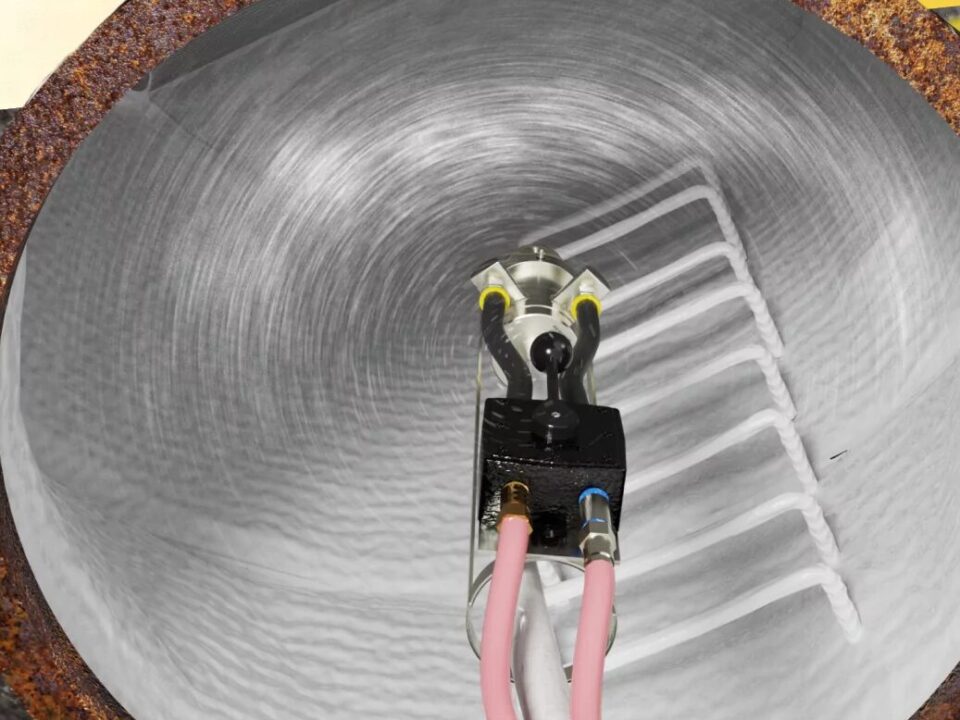
Every restaurant, cafeteria and food plant connected to a sewer is supposed to have a grease interceptor: a tank, usually concrete and buried out back, that catches fats, oils and grease before they reach the public sewer. Those tanks have a hard life. The same grease they catch slowly turns into an acidic, gas-producing soup that eats the concrete above the waterline. For wastewater coating contractors, that makes grease interceptors a reliable, recurring niche.
Why grease interceptors corrode
- Fatty acids. As trapped fats break down, they form organic acids that attack cement paste.
- Hydrogen sulfide. Anaerobic conditions in the tank produce sulfide gas, which bacteria turn into sulfuric acid on the walls and ceiling. We explain that process in our post on hydrogen sulfide concrete corrosion.
- Hot water and cleaners. Kitchen discharge is often hot and full of detergents and sanitizers.
- Wet-dry cycling. The zone above the liquid line stays damp and exposed to gas, which is where damage is usually worst.
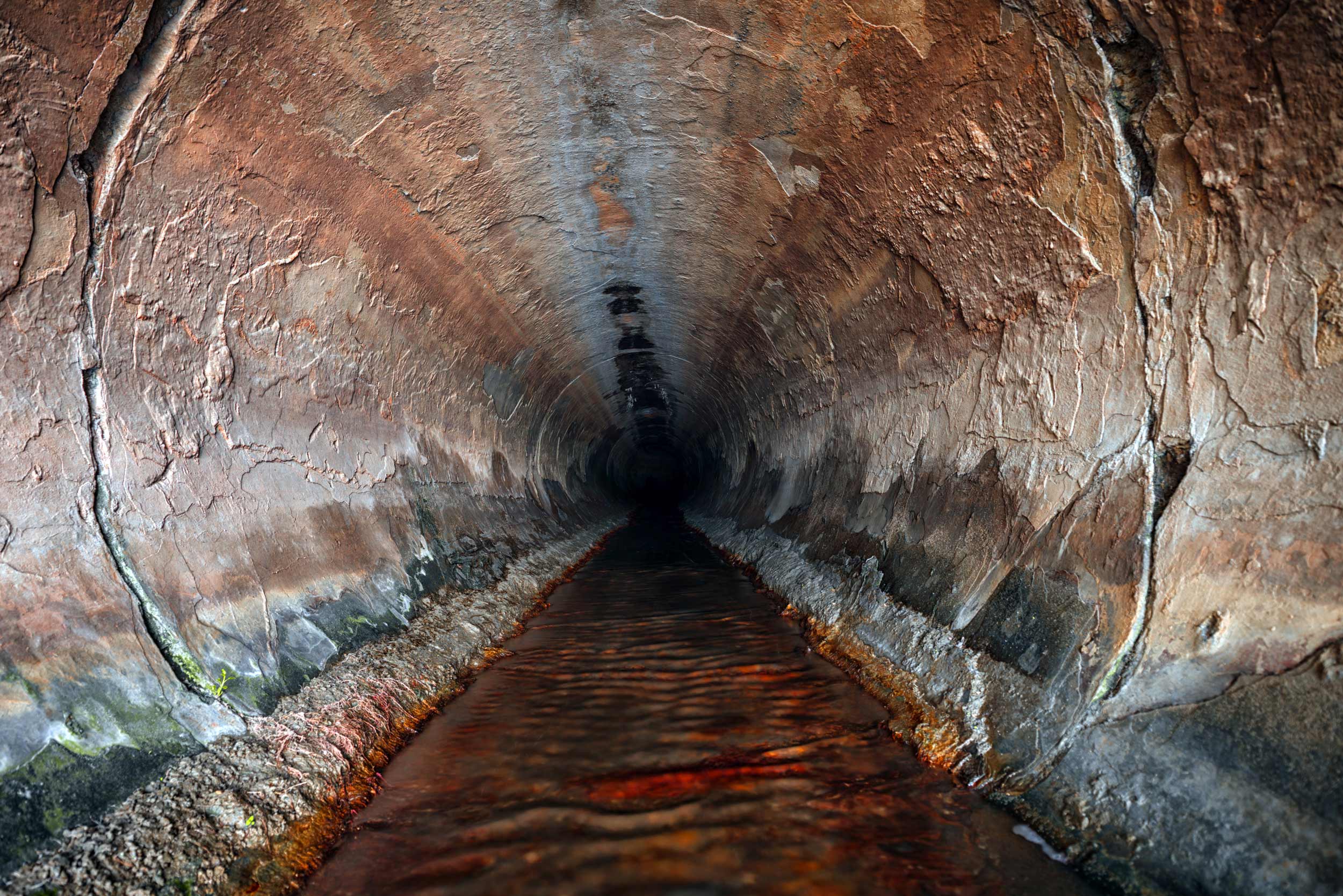
Typical signs are crumbling walls above the liquid line, exposed aggregate, corroded baffles and lids, and in bad cases exposed rebar or leaks.
The rehab sequence
- Pump out and clean. Coordinate with the restaurant’s pumping service. Pressure wash with a degreaser until the concrete is free of grease film.
- Ventilate and test the air. Interceptors are confined spaces with potential for hazardous gas. Monitoring, ventilation and a rescue plan are required.
- Remove damaged concrete. Abrasive or water blast down to sound material.
- Repair. Rebuild lost section and baffles with a suitable repair mortar.
- Dry and prime. Follow the coating system’s moisture limits, which can be tough in a below-grade tank.
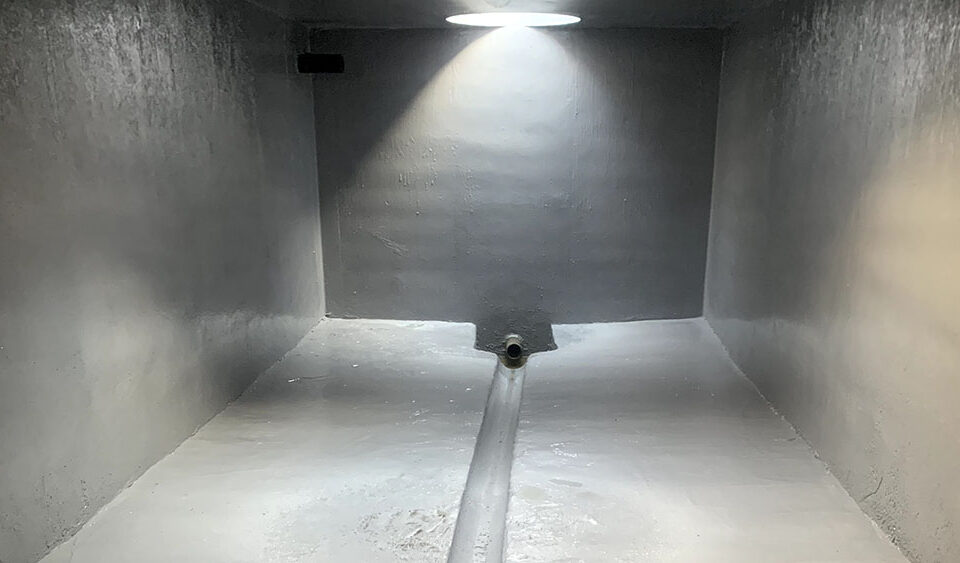
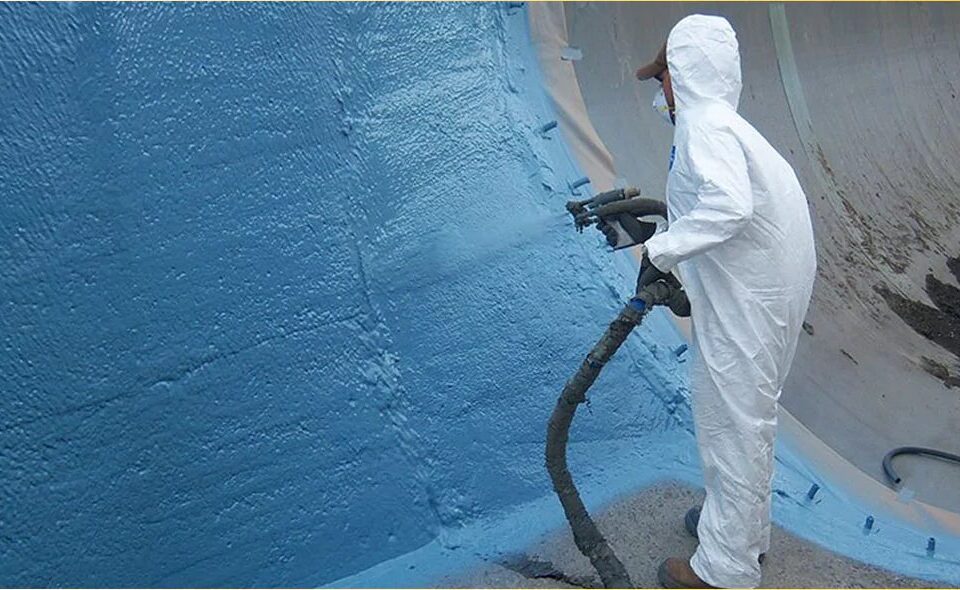
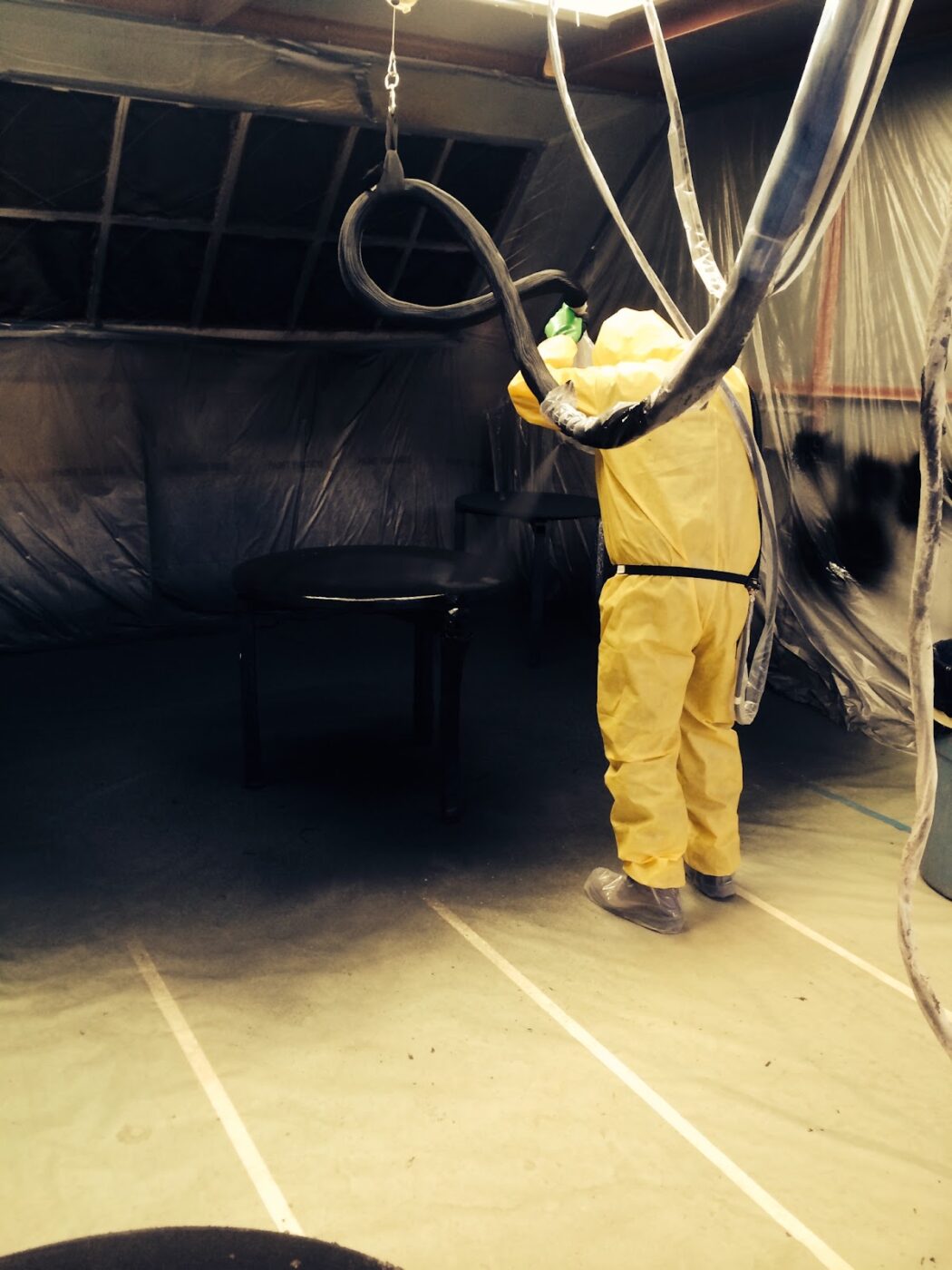
- Coat. Apply an immersion-rated epoxy or polyurea lining over walls, ceiling, baffles and floor.
- Inspect. Check thickness and holidays before the tank goes back in service.
Choosing a lining that holds up to acid is the core decision. Chemical Containment Systems has a good guide to acid resistant coatings for concrete that applies directly here.
Downtime is the selling point
A restaurant cannot run for long without its interceptor. Fast-cure polyurea systems that let the tank return to service quickly are a strong advantage when pitching owners. Schedule work around closing days, and plan the job so pumping, prep, coating and inspection happen in one tight window.
Finding the work
- Partner with grease pumping companies, which see every tank in town.
- Contact the local pretreatment or FOG program at the sewer utility. They inspect interceptors and know which ones are failing.
- Reach out to restaurant groups and facility managers at schools, hospitals and food plants.
Do not forget the kitchen floor
The same customers often have failing kitchen floors from hot water, grease and cleaners. ArmorThane’s notes on commercial kitchen flooring show how the two jobs pair naturally.
Start your own wastewater coatings business
Get equipment, training and lifetime support with the ArmorThane system — no franchise fees.