Clarifier Coating: Protecting Weirs, Launders and Walls Without Long Shutdowns
Clarifiers combine abrasion, wet-dry cycling, algae and sometimes H2S. Here is where they wear out, what coatings work on concrete and steel components, and how to plan the outage.

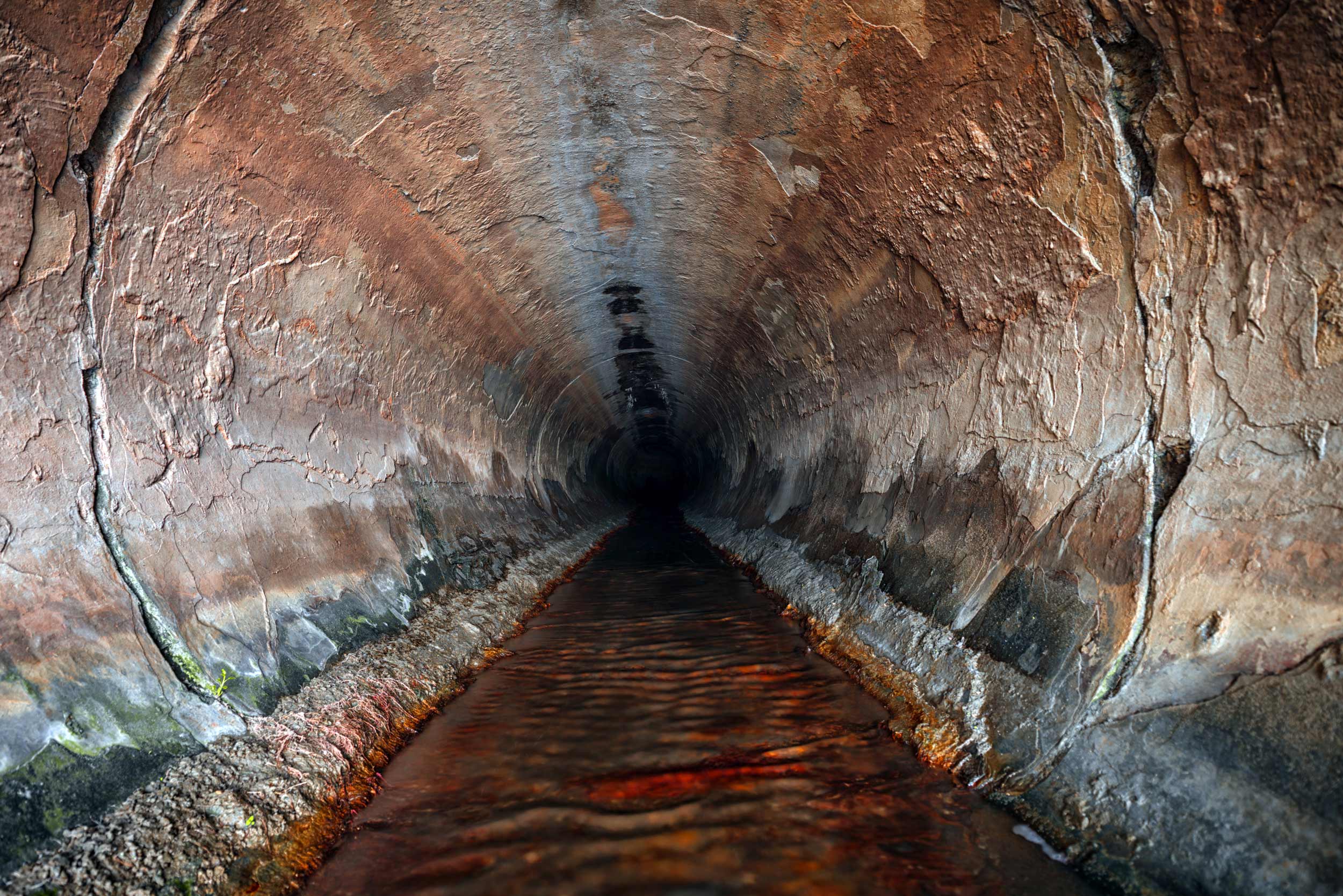
Clarifiers look simple from the catwalk: a big tank, a slowly turning rake arm, clear water spilling over the weirs. Up close, they are one of the harder environments in a treatment plant for concrete and steel. Parts of the structure are constantly wet, parts flip between wet and dry every day, and grit is being dragged across the floor around the clock.
Where clarifiers wear out
Launder troughs and effluent channels
This is the splash and wet-dry zone. Water spills over the weir into the launder and the concrete above the waterline stays damp and exposed to air. Algae grows here aggressively in sunlight, and cleaning it with pressure washers or brushes wears the surface down over time.
Weirs and scum baffles
Often aluminum, fiberglass or coated steel. Corrosion at fasteners and brackets is common.
Floors and lower walls
Grit and sludge scraped by the rake create abrasion. In primary clarifiers, the gas space above the liquid can carry hydrogen sulfide, which attacks concrete above the waterline.
Mechanisms
Rake arms, center columns, drive cages and feed wells are usually steel. Original coatings break down, and corrosion at welds and edges spreads underneath them.
Coating options
| Component | Common approaches |
|---|---|
| Concrete launders and channels | Polyurea or epoxy systems over repaired, profiled concrete |
| Concrete walls in H2S zones | Acid-resistant linings, often with a mortar rebuild first |
| Steel mechanisms | Abrasive blast and multi-coat epoxy or polyurea systems |
| Floors with grit abrasion | Abrasion-resistant high-build coatings |
For high-wear areas, the coating’s abrasion resistance matters as much as its chemical resistance. ArmorThane has a useful breakdown on abrasion resistant coatings and how they are tested.
Planning the outage
The coating is often the easy part. Getting a clarifier offline is the hard part. Tips from crews who do this regularly:
- Schedule in low-flow season when the remaining clarifiers can handle the load.
- Coordinate draining, cleaning and drying time with the plant. Concrete that just came out of service needs time and often forced ventilation to dry enough for coating.
- Pick fast-cure systems where possible so the unit goes back in service sooner. Spray polyurea can shorten the return-to-service window considerably compared with slow-cure systems.
- Do the mechanism and the concrete in the same outage to avoid draining twice.
- Plan for weather if the clarifier is uncovered. Dew point and rain can shut you down.
Surface prep
Concrete gets pressure washed to remove biological growth, then abrasive blasted or water blasted to sound material. Bug holes and spalls get filled. Steel gets blasted to the cleanliness and profile the coating spec calls for. Every coating failure we have seen on a clarifier traced back to prep shortcuts, usually because the outage window got squeezed.
How long should it last?
A properly applied system in a clarifier can last many years, but plan on inspections every time the unit is drained for maintenance. Small repairs early prevent undercutting that turns into large failures.
If you are pitching clarifier work to a plant, it helps to show you understand the whole facility. Our overview of where and why coatings are used in treatment plants is a good primer, and Coatingpedia is handy for definitions when plant engineers start throwing around spec terms.
Start your own wastewater coatings business
Get equipment, training and lifetime support with the ArmorThane system — no franchise fees.