Sewer Pipe Lining: CIPP, Spray Linings, Costs and When Lining Makes Sense
Sewer pipe lining guide: CIPP, UV-cured, spray-applied and bursting methods, when lining works, the process, costs, contract tips and an estimator.

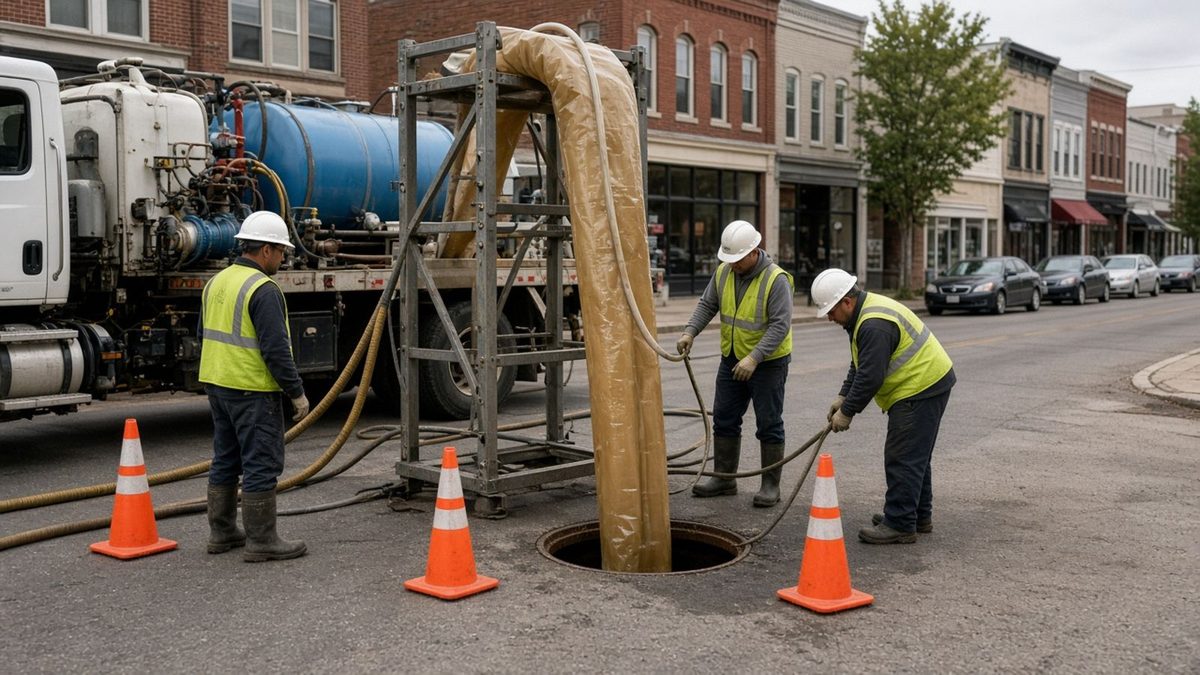
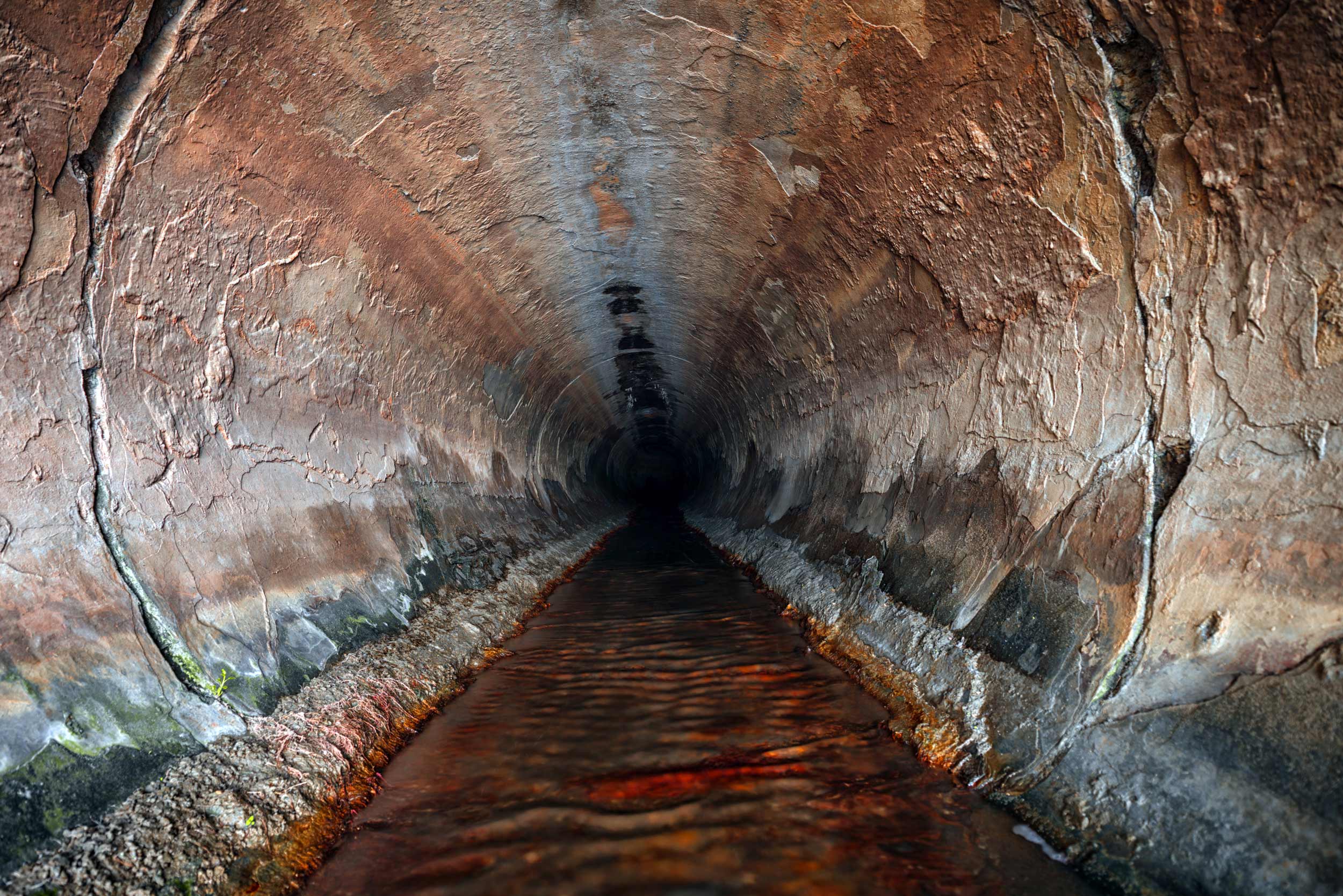
A public works director in a small Midwestern town once showed me a CCTV video of a 1950s clay sewer main running under the town’s main street. Every joint had roots poking through. Two sections had cracked and one had a hole where you could see soil. The engineering firm’s first estimate was to dig up four blocks of downtown and replace it, closing the street for most of a summer. The final project lined the pipe from manhole to manhole in eight working days with no excavation at all, and the shops stayed open. That’s the promise of sewer pipe lining, and it’s why trenchless rehab now makes up a big share of sewer work in the U.S. Below I’ll walk through the main lining methods, when lining makes sense and when it doesn’t, how the process works on municipal mains and private laterals, typical costs and what to watch for in a lining project.
What sewer pipe lining is
Sewer pipe lining is a trenchless method of rehabilitating a damaged pipe by installing a new pipe inside the old one. The existing pipe becomes a host. Access is through existing manholes or small access pits, so streets, yards and driveways mostly stay intact.
A good liner stops infiltration (groundwater leaking in), exfiltration (sewage leaking out), root intrusion and further corrosion, and depending on the design it can carry the soil and traffic loads on its own even if the host pipe keeps deteriorating.
The main lining methods
Cured-in-place pipe (CIPP)
The most common method by far. A felt or fiberglass tube saturated with resin (polyester, vinyl ester or epoxy) is inverted or pulled into the host pipe, then cured with hot water, steam or UV light. The result is a seamless, jointless pipe inside the old one. CIPP works for pipes from small laterals to large trunk sewers.
UV-cured CIPP
A fiberglass liner with resin that cures under UV light pulled through the pipe. Curing is fast, and the liner can be thinner for the same strength. Increasingly popular for mains.
Spray-applied linings
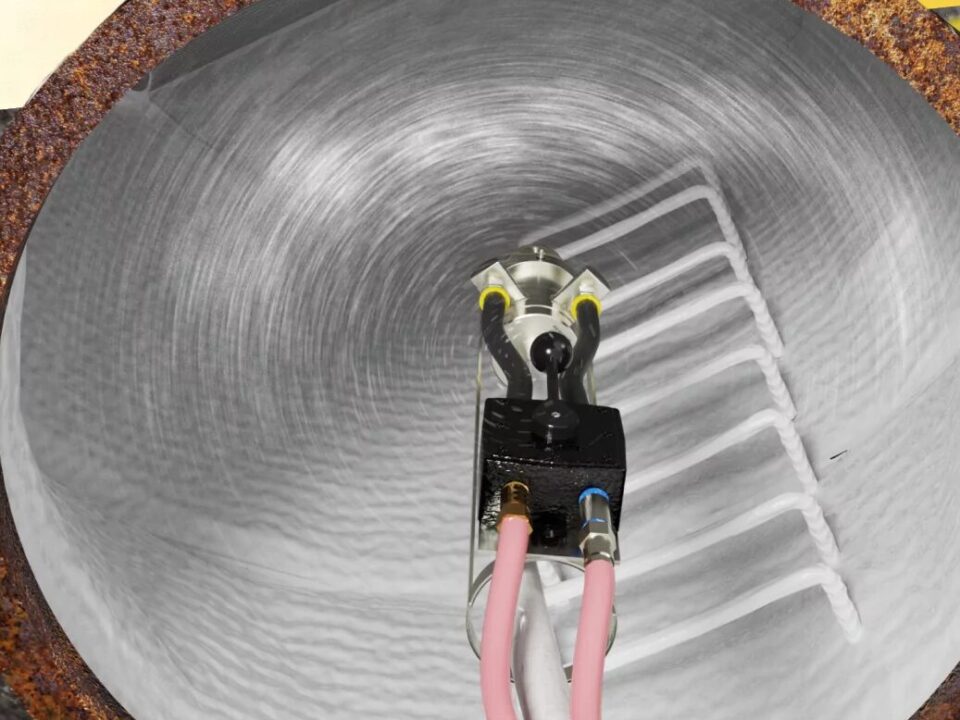
Polyurea, epoxy, polyurethane or cementitious linings sprayed onto the inside of the pipe by a spinning head or by hand in large-diameter pipes. Good for corrosion protection in larger pipes, culverts and structures. Some are structural, many are not.
Pipe bursting
A bursting head is pulled through the old pipe, breaking it outward while pulling in a new HDPE pipe behind it. Technically replacement rather than lining, but trenchless. It can upsize the pipe.
Sliplining
A smaller pipe is pushed or pulled into the old one, and the gap is grouted. Simple and robust, but it reduces diameter more than other methods.
Spiral-wound and segmental liners
PVC strips wound into a pipe inside the host, or segments assembled in large pipes. Useful for large and odd-shaped pipes.
| Method | Typical diameter range | Strengths | Limitations |
|---|---|---|---|
| CIPP (felt, hot water or steam) | 4–108 in | Seamless, structural, versatile | Curing time, styrene odor with some resins |
| UV-cured CIPP | 6–60 in | Fast cure, thin wall | Equipment cost; limited in very large pipes |
| Spray-applied polyurea or epoxy | 36 in and up for man entry; smaller with robotic heads | Corrosion protection, fast return to service | Often non-structural; prep critical |
| Pipe bursting | 4–36 in | Upsizes, new HDPE pipe | Needs access pits; not near sensitive utilities |
| Sliplining | 8 in and up | Simple, durable | Reduces diameter |
When lining makes sense, and when it doesn’t
Lining is a good fit when the host pipe still holds its shape, even if it’s cracked, leaking or has root intrusion; when the line runs under streets, buildings or landscaping that would be expensive to dig; and when the pipe’s grade is acceptable.
It isn’t a good fit when the pipe has collapsed or is badly deformed, has serious sags or bellies that hold sewage, needs a larger diameter (unless you burst), or has offset joints too severe for the liner to pass. In those cases, spot repairs, bursting or open-cut replacement may be better. A CCTV inspection, scored under NASSCO’s PACP system, is the starting point for every decision.
How a municipal lining project works
- CCTV inspection and assessment of the pipe and service connections.
- Cleaning with a jet truck, root cutting and removal of protruding taps or debris.
- Bypass pumping to divert flow around the section being lined.
- Liner installation by inversion or pull-in.
- Curing with hot water, steam or UV.
- Robotic reinstatement of service laterals by cutting openings from inside the liner.
- Post-lining CCTV inspection.
- End seals and manhole connections, with lateral sealing if specified.
Manholes often get rehabilitated at the same time, since they’re the other big source of infiltration. ManholeRecovery has a good breakdown of manhole rehabilitation cost.
Corrosion and resin choice
In sewers with hydrogen sulfide, concrete and metal pipes corrode from the crown down. Resins and spray linings in those systems have to resist sulfuric acid. Polyester resins are the standard for most municipal sewers, while vinyl ester or epoxy resins are chosen for more aggressive conditions or industrial waste. For large concrete pipes, spray-applied polyurea or epoxy linings offer excellent acid resistance. Our article on hydrogen sulfide concrete corrosion explains the chemistry.
What sewer pipe lining costs
Costs vary with diameter, depth, length, number of service connections, bypass complexity and region. These are broad ranges from bids I’ve seen, not quotes.
| Project | Typical range |
|---|---|
| Residential lateral lining (CIPP) | $80–$250 per linear foot; many jobs $4,000–$15,000 |
| Municipal mains, 8–12 in CIPP | $40–$120 per linear foot |
| Municipal mains, 15–30 in CIPP | $100–$300 per linear foot |
| Large diameter, 36 in and up | $300 to well over $1,000 per linear foot |
| Spray-applied lining, large pipes | $40–$150 per sq ft of surface, varies widely |
Open-cut replacement in busy streets often runs much higher once pavement, traffic control and restoration are included.
Lining cost estimator
Sewer pipe lining cost estimator
Lessons from a downtown main
Back to that downtown clay main. The project went smoothly, but two things nearly derailed it. First, the original CCTV missed an abandoned service connection that still had a stub protruding into the pipe. The cleaning crew found it the morning of installation, and a robotic cutter had to grind it out before the liner could go in. Second, the town hadn’t told business owners that lateral connections would be blocked for several hours during curing, and one restaurant ran its dishwasher. We learned to walk the street and knock on every door the day before.
The liner itself cured perfectly. Infiltration measured at the downstream manhole dropped dramatically, and the town now has a pipe with a design life of 50 years or more under a street that never got dug up.
What to watch for in a lining contract
Most lining problems I’ve seen trace back to the spec, not the crew. A few things deserve a hard look before bid day. Liner thickness should be calculated for the actual conditions, using ASTM F1216 design methods that account for depth, groundwater, soil and whether the host pipe is partly or fully deteriorated. A one-size-fits-all thickness is a red flag.
Ask for test samples. Good specs require restrained samples cut from the cured liner at manholes and tested for flexural strength, modulus and thickness. Those results tell you whether the liner that went in the ground matches the design on paper.
Spell out lateral reinstatement. Openings should be cut fully round and smooth, with no coupon left hanging, and the spec should say whether lateral connections get sealed with a top-hat or a short liner. Unsealed connections are where groundwater often sneaks back in after a lining job.
Finally, require post-lining CCTV with the video delivered to the owner, and hold retainage until it’s reviewed. Wrinkles, fins, delamination and missed laterals show up clearly on video, and they’re much easier to fix before the crew leaves town.
Private laterals
Many cities’ biggest infiltration problem is private service laterals, which often aren’t covered by the city. Homeowners can line their own laterals through a cleanout. Some cities offer cost-sharing programs because laterals contribute so much groundwater to treatment plants. If you’re dealing with lift stations downstream of high infiltration, our guide to lift station rehabilitation covers that side.
Sewer pipe lining FAQ
How long does sewer pipe lining last?
CIPP liners are commonly designed for 50 years or more when properly installed.
How much does sewer pipe lining cost?
Residential laterals often run $80 to $250 per foot; municipal mains vary widely with diameter, depth and service connections.
Can roots grow through a pipe liner?
A properly installed liner is seamless and jointless, so roots generally can’t get through.
Does lining reduce pipe diameter?
Slightly. CIPP walls are thin, and the smooth interior often keeps flow capacity close to the original.
Is sewer pipe lining better than replacement?
When the pipe holds its shape, lining is usually faster, cheaper and less disruptive. Collapsed pipes need replacement.
How long does it take to line a sewer pipe?
A residential lateral is often done in a day. Municipal mains typically take a day or two per segment.
Start your own wastewater coatings business
Get equipment, training and lifetime support with the ArmorThane system — no franchise fees.