Building In-House Polyurea Coating Capability in Municipal Wastewater Operations

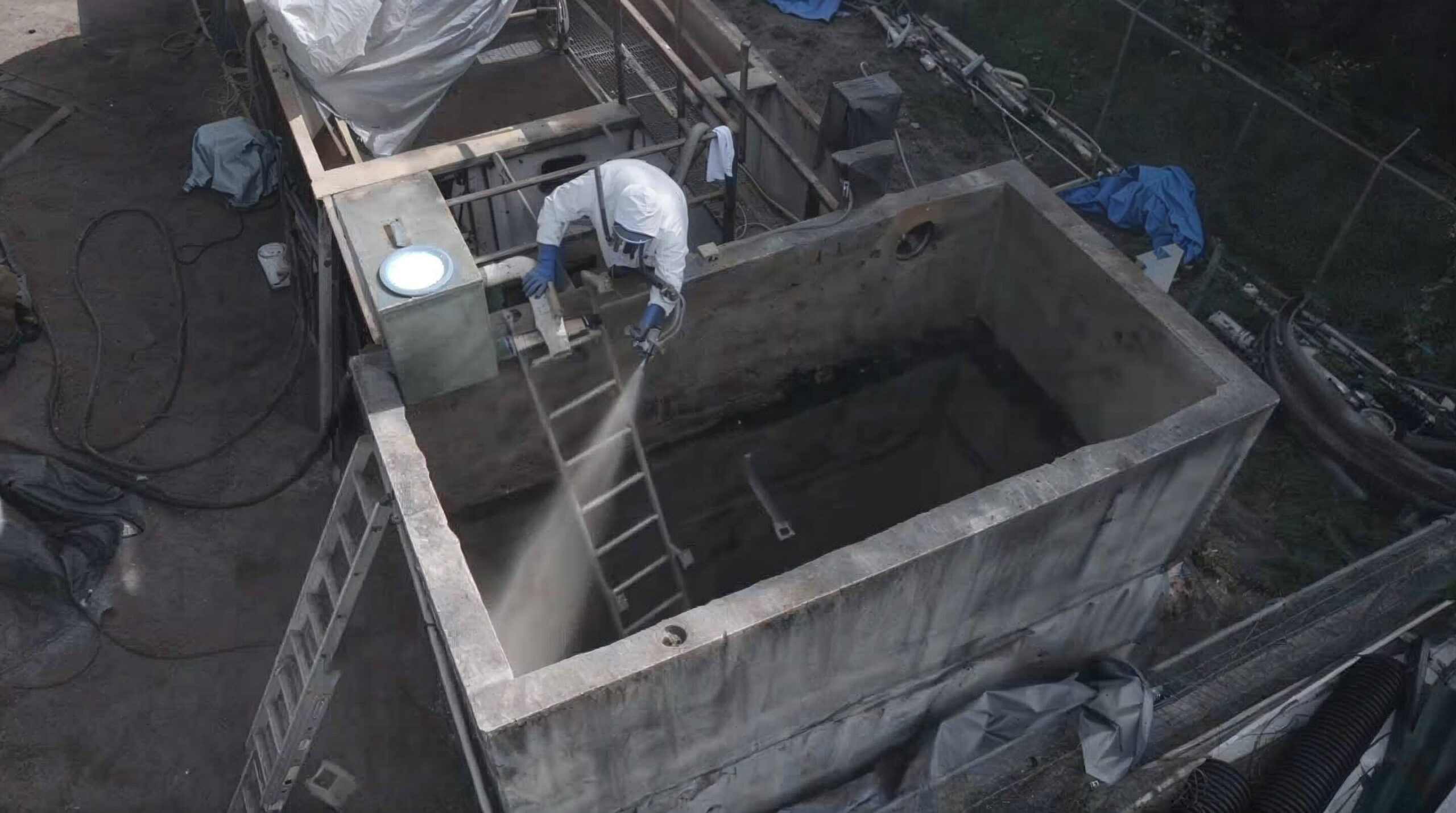
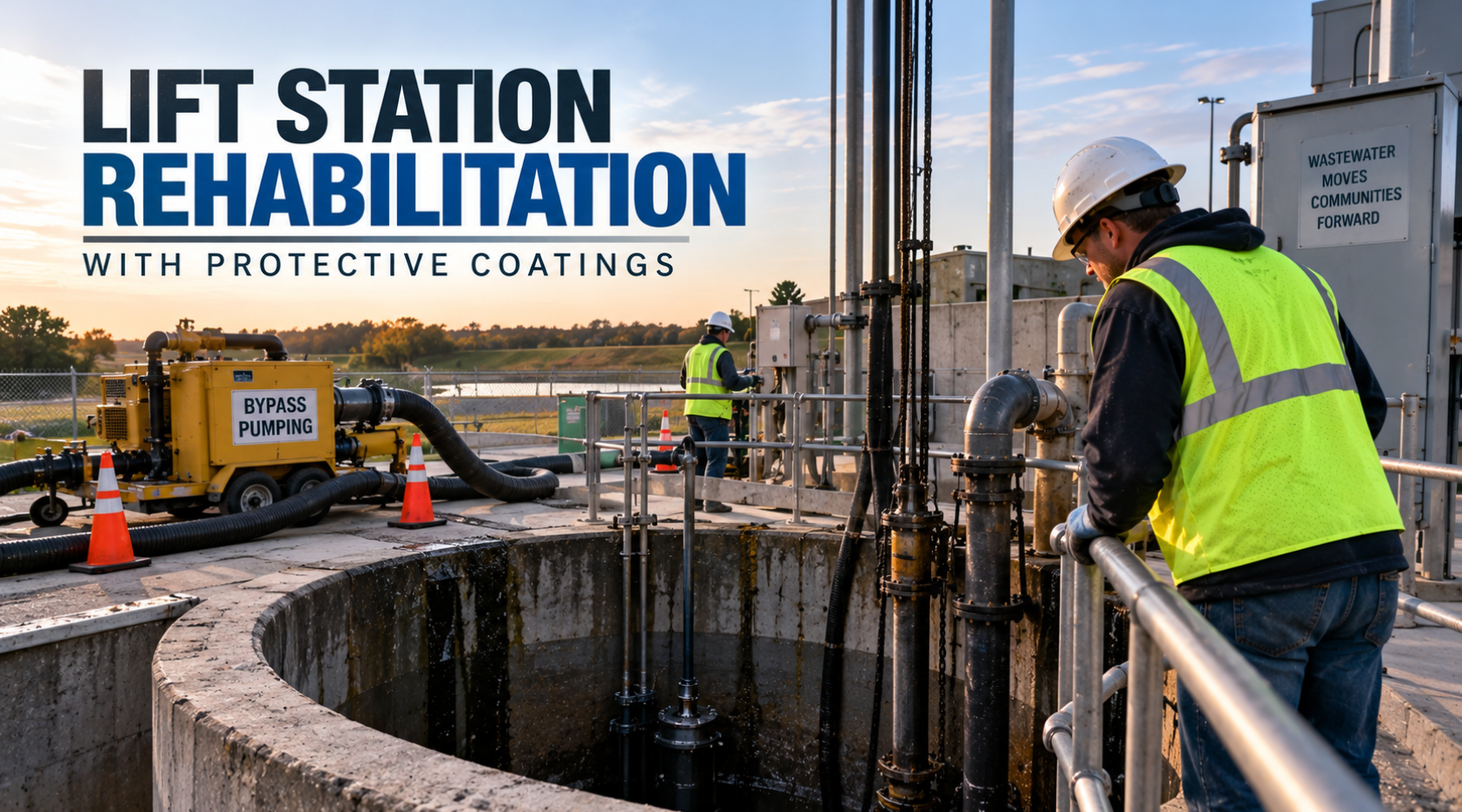
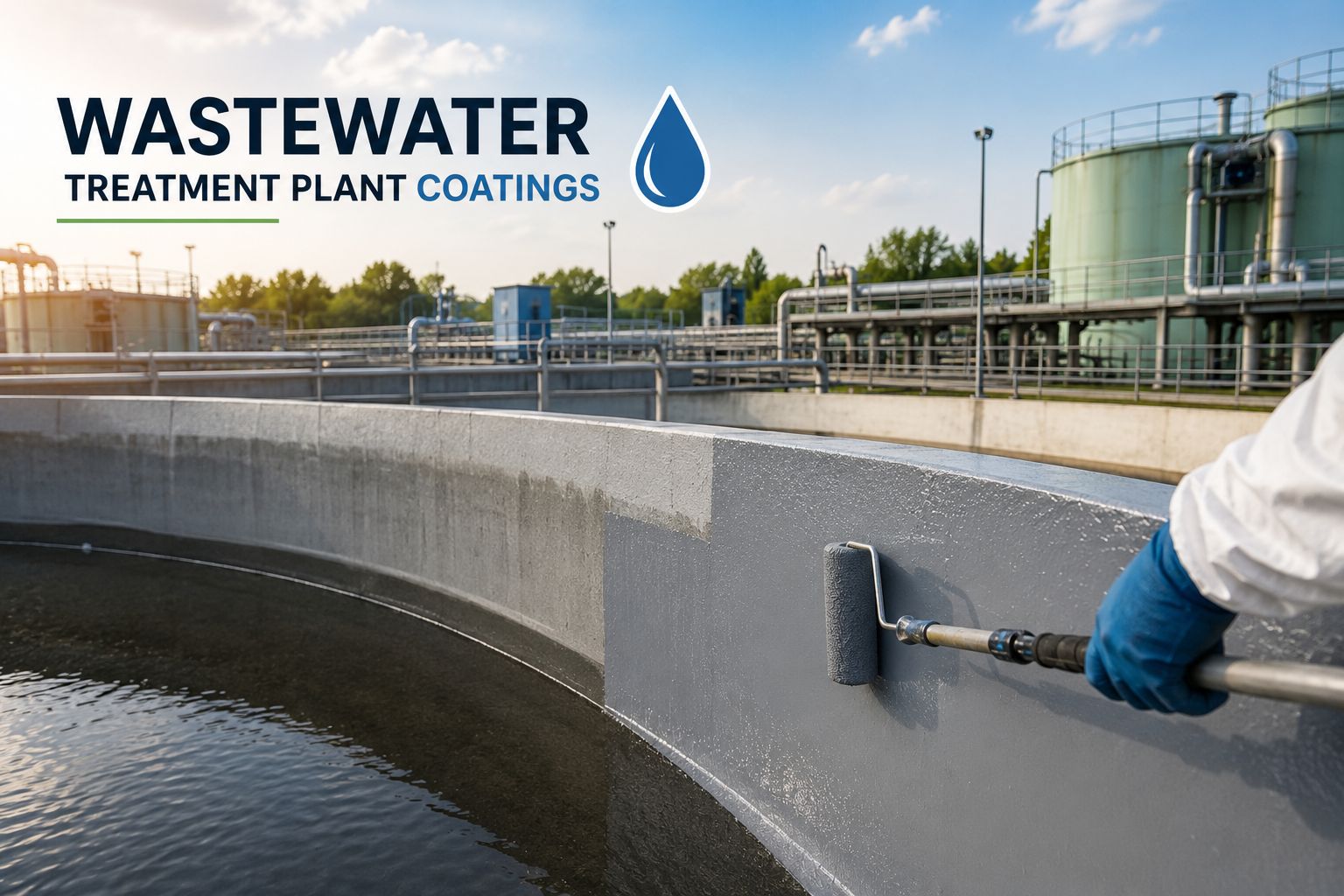
A quiet but significant operational shift is underway in municipal wastewater management across North America. Public works departments that have historically relied on specialty contractors for protective coating applications are increasingly developing in-house polyurea spraying capabilities — training their own technicians, procuring dedicated spray equipment, and incorporating coating application into the scope of regular maintenance operations. This transition reflects both the maturation of polyurea technology and the economic pressures facing municipal infrastructure programs with constrained capital budgets and expanding deferred maintenance backlogs.
The Technical Case for In-House Capability
Polyurea elastomers are applied using heated plural-component spray equipment that combines an isocyanate component with an amine-terminated resin blend at elevated temperature and high pressure. The chemistry is fast — reaching handling strength in seconds and full cure within minutes — which makes polyurea uniquely suited to the operational requirements of live wastewater systems where extended downtime creates measurable service disruption and treatment bypass costs.
For municipalities managing large inventories of manholes, lift stations, and concrete treatment structures, the frequency of required coating maintenance creates a compelling economic case for internal capability development. Contractor mobilization costs, scheduling constraints, and the overhead embedded in contracted pricing all represent inefficiencies that are eliminated when a municipality operates its own spray rig and trained crew. When labor costs and material volumes are analyzed on a per-square-foot basis, in-house programs typically achieve cost reductions of 30-50% compared to contracted alternatives for routine rehabilitation work.
The operational agility gained from internal capability is equally significant. When an inspection program identifies a deteriorating manhole or lift station requiring immediate coating attention, an in-house crew can respond within days rather than waiting weeks or months for a contractor’s availability. This responsiveness reduces the risk of accelerated deterioration and the emergency structural repairs that inevitably follow when corrosion damage is allowed to progress unchecked.
Manhole Rehabilitation as the Entry Point
For municipalities building polyurea application capability for the first time, manhole rehabilitation programs represent the optimal starting point. The confined geometry of a manhole structure limits the surface area per unit, making each structure a manageable project for a new crew developing their technique. Manholes are also among the most corrosion-susceptible elements of the sewer network due to their position at the atmosphere-liquid interface where hydrogen sulfide concentrations are highest and cyclic wet-dry conditions accelerate concrete deterioration.
A properly rehabilitated manhole — with existing concrete cleaned to bare substrate by high-pressure water jetting or mechanical abrasion, defects repaired with fast-setting cementitious materials, and a 125-mil polyurea coating applied to all interior surfaces — can extend the service life of a severely deteriorated structure by 20-30 years. The speed of polyurea application means that a two-person crew can complete a standard 48-inch manhole rehabilitation in 4-6 hours, with the structure returned to service the same day.
As crews develop proficiency with manhole applications, the transition to larger structures — wet wells, pump station walls, and small equalization basins — follows naturally, with the primary learning curve relating to equipment setup time, overlap pattern technique, and quality control inspection protocols rather than fundamental chemistry or safety procedures.
Equipment Selection and Training Requirements
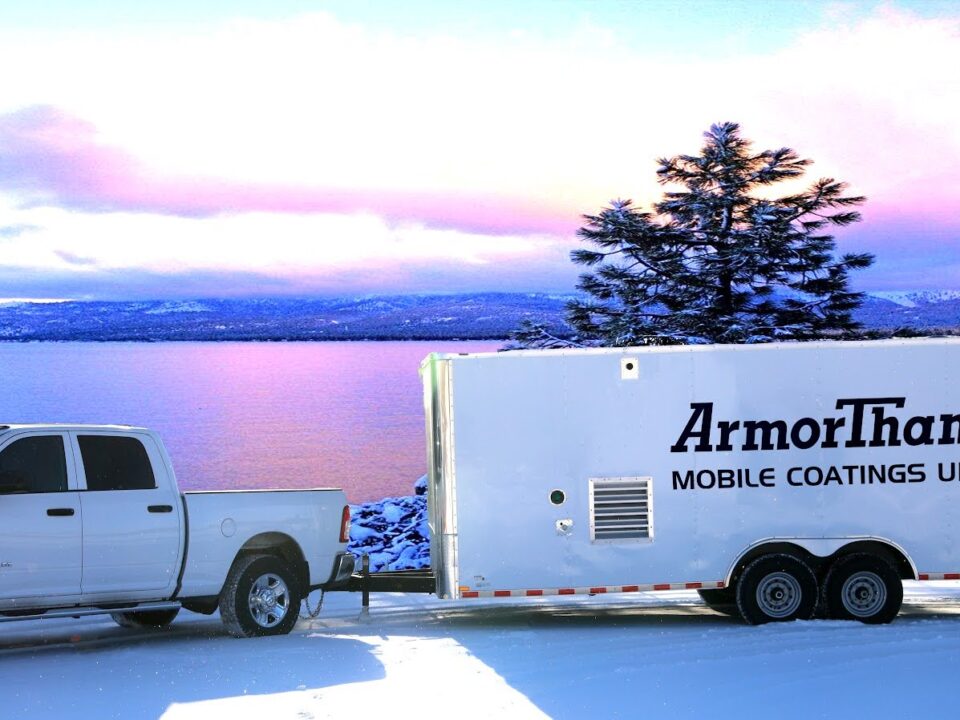
The investment threshold for municipal in-house polyurea programs has decreased substantially as equipment manufacturers have developed compact, vehicle-mounted systems specifically designed for infrastructure maintenance applications. Modern self-contained spray rigs can be configured on service truck chassis, providing both the heating and pressure systems required for polyurea application and the water supply, surface preparation equipment, and ventilation systems required for confined space work — all in a single, mobile package.
Operator training for polyurea application encompasses surface preparation standards, equipment operation and maintenance, material handling and storage, safety protocols for confined space entry and chemical handling, and quality control inspection techniques. Comprehensive training programs can bring an operator to competent proficiency in 40-80 hours of instruction and supervised practice. Ongoing training requirements relate primarily to equipment maintenance, which is the area where most performance problems originate in established programs.
Municipalities with existing confined space entry programs already possess the safety infrastructure — entry permits, atmospheric monitoring, ventilation equipment, rescue protocols — that provides the foundation for wastewater structure coating operations. This existing capability significantly reduces the organizational investment required to stand up a new coating program.
Lifecycle Cost Analysis and Budget Planning
The financial case for municipal in-house polyurea programs strengthens considerably when evaluated over a 10-year program horizon. Equipment capital costs, amortized over the operational life of the spray rig, represent a decreasing fraction of total program cost as annual throughput increases. Material costs, benefiting from direct manufacturer purchasing rather than contractor markup, are typically 15-25% lower than material costs embedded in contracted work. The sum of these efficiencies, combined with the productivity advantages of a dedicated crew with an intimate knowledge of local infrastructure conditions, yields program economics that are difficult to replicate through continued reliance on contracted services.
Asset management integration is a critical success factor for in-house programs. Connecting the coating program to the municipality’s GIS-based infrastructure inventory allows systematic prioritization of rehabilitation work based on structure condition, remaining service life, and consequence of failure. This data-driven approach ensures that limited program budgets are directed toward the structures where protective coating investment delivers the greatest lifecycle extension benefit, rather than following the reactive pattern of responding only to failures that have already progressed to structural crisis.
Conclusion
The movement toward in-house polyurea coating capability in municipal wastewater systems reflects a mature understanding of both the technology and the economics of infrastructure protection. Municipalities that make this transition gain operational agility, cost efficiency, and institutional knowledge that compound in value over time. The technical barriers to entry are manageable, the safety framework is largely transferable from existing confined space programs, and the economic returns — measured in deferred capital replacement, reduced emergency repair frequency, and extended asset lifecycles — are well documented by the programs that have led this transition.
Start your own wastewater coatings business
Get equipment, training and lifetime support with the ArmorThane system — no franchise fees.