Polyurea Coatings for Digester Tanks

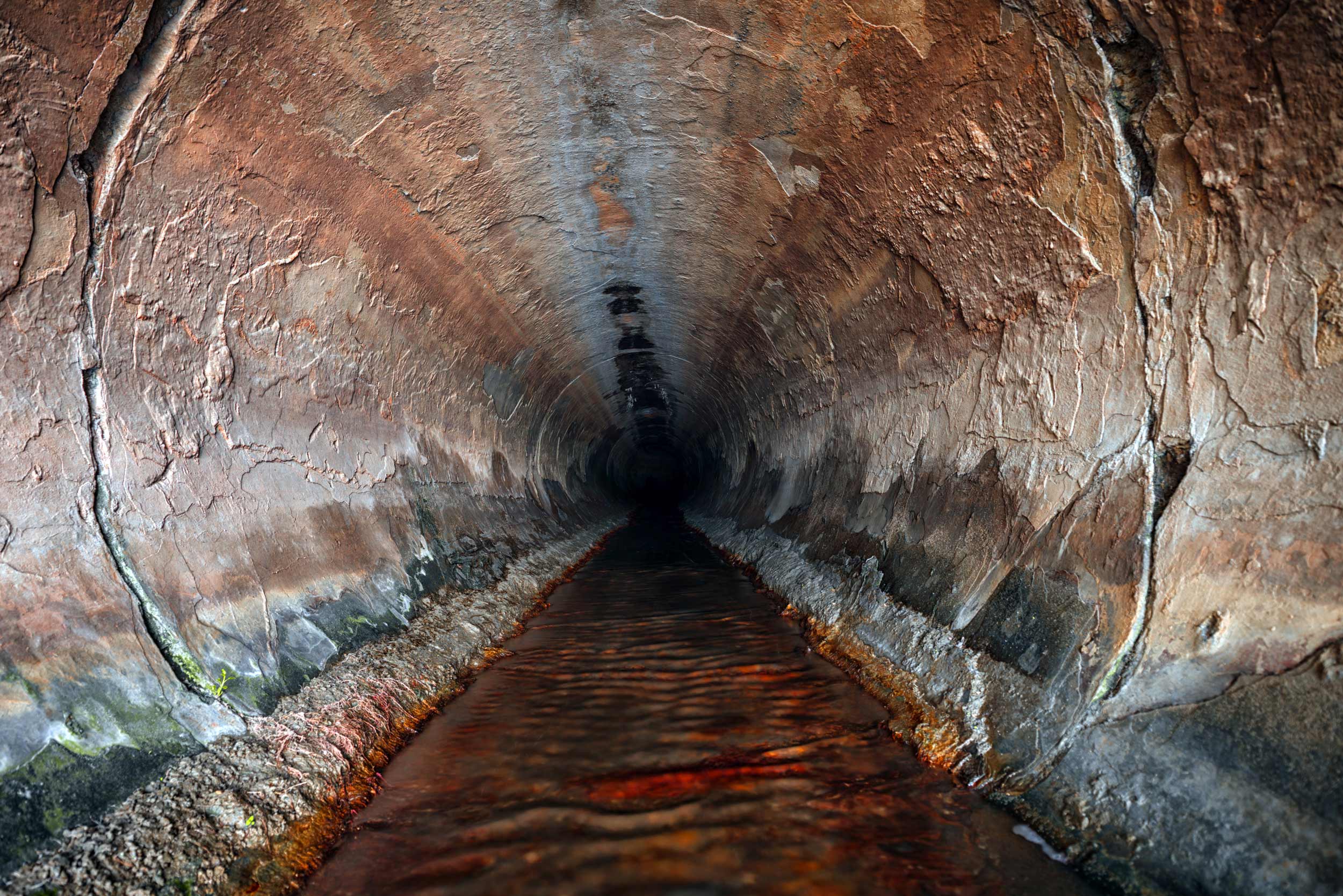
Anaerobic digesters sit at the hard end of wastewater infrastructure. They hold high-strength sludge, generate biogas, and create a chemical environment more aggressive than a typical clarifier or aeration basin. When the concrete or steel shell starts to leak gas, shed aggregate, or lose coating adhesion, the plant faces a safety, odor, and process-integrity problem—not just a maintenance ticket.
This guide covers why digesters fail the way they do, what a lining has to survive inside one, and how spray-applied polyurea fits digester tank rehabilitation when the structure is still sound enough to save.
Why Digesters Are Harder on Coatings Than Most Plant Structures
A digester stacks several stressors that rarely hit other plant structures at the same intensity:
- Sustained hydrogen sulfide exposure. Anaerobic digestion produces biogas that can carry hydrogen sulfide (H₂S). With moisture and sulfur-oxidizing bacteria, that gas becomes sulfuric acid that attacks concrete paste and leaves aggregate standing proud—classic microbially induced corrosion.
- Immersion plus headspace. Walls and floors see sludge; roofs and upper walls see humid, gas-rich headspace. A lining has to perform in both zones and at the interface between them.
- Thermal and process cycling. Heated, mixed digesters punish brittle or poorly adhered films where the substrate expands, contracts, or vibrates.
- Gas-tightness. Unlike an open clarifier, a digester must contain biogas. Pinholes and failed terminations are leak paths, not only corrosion paths.
Full tank replacement is expensive and disruptive, so plants usually start with rehabilitation: restore the substrate, then install a lining that isolates the structure from the chemistry and restores containment.
What “Good Enough” Means for a Digester Lining
Not every coating that works on a dry secondary-containment pad belongs inside a digester. Specifiers typically look for a system that can:
- Resist biogenic sulfuric acid and related wastewater chemistry over long immersion and vapor exposure.
- Form a continuous, seamless membrane with reliable detail work at joints, penetrations, and roof-to-wall transitions.
- Flex enough to bridge hairline cracks and tolerate minor structural movement without cracking the way rigid films often do.
- Cure fast enough that tank outage stays manageable—digesters are process-critical assets, and every day offline has a cost.
- Accept quality-control checks (visual inspection, thickness verification, and holiday/spark testing where specified) so pinholes are found before the tank returns to service.
Cementitious repair can rebuild lost section, but it is not a chemical barrier. Thin paint systems rarely survive digester headspace chemistry. Epoxy linings are common and can perform well when specified and installed correctly, yet they cure more slowly and are generally less movement-tolerant than elastomeric systems. That tradeoff is why crews often evaluate polyurea when downtime, crack bridging, and seamless coverage all matter.
Where Polyurea Fits Digester Rehabilitation
Polyurea is a spray-applied elastomeric lining formed when an isocyanate component reacts with an amine resin. In wastewater service it is valued for rapid gel and cure, high elongation, and high-build seamless coverage in one continuous application.
For digester work, those traits map to jobsite needs:
- Fast return to service. Sets in seconds to minutes, which helps keep offline time shorter than many slow-cure alternatives.
- Seamless coverage on complex geometry. Spray work conforms around mixers, penetrations, and irregular concrete better than sheet systems that depend on seams.
- Chemical isolation. A properly specified high-build membrane is intended to keep H₂S-driven acid and sludge chemistry off the substrate.
- Movement tolerance. Elongation helps the lining stay intact through micro-cracking and fill/temperature cycles.
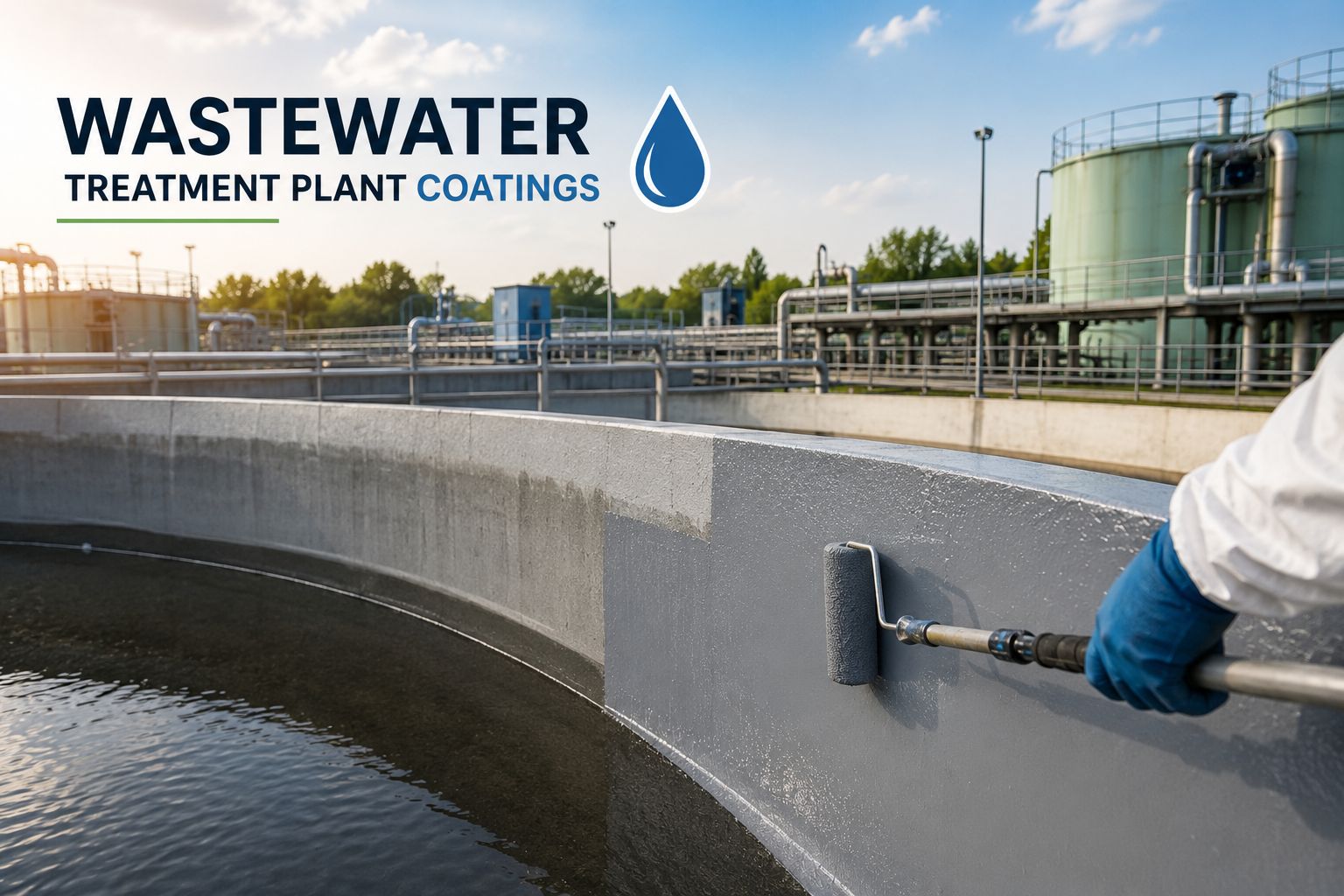
ArmorThane’s wastewater coating systems are built around this class of performance—seamless polyurea for immersion and sewer-gas environments, including tanks and related plant structures—not only manholes and wet wells.
Polyurea is not magic. It does not restore concrete that has already lost structural capacity, and it will not forgive poor surface preparation. On tanks past saving, lining only delays replacement. On structurally competent digesters, it is often the difference between a planned rehab and a forced rebuild.
A Practical Digester Coating Workflow
Successful digester lining jobs follow the same discipline as other critical immersion projects—with extra attention to gas safety and terminations.
1. Assessment before anyone sprays
Confirm structural condition, remaining wall thickness, active leaks, prior coating type, and whether failure is chemical, mechanical, or both. Map roof-to-wall joints, penetrations, and biogas staining or odor history. Decide whether scope is interior only, exterior carbonation protection, or both.
2. Cleaning and surface preparation
Remove failed lining, laitance, grease, and loose concrete. High-pressure water cleaning and abrasive methods are common, followed by void repair and profile restoration. Stop active water intrusion first—trapped moisture under a fast-set membrane is a classic path to pinholes and blistering.
3. Primers and detail work
Many digester specs call for a primer matched to substrate and moisture condition, plus joint treatment at cold joints and penetrations. Detail work is where these jobs succeed or fail: a perfect wall field with a weak roof joint still leaks gas.
4. Spray application of the polyurea lining
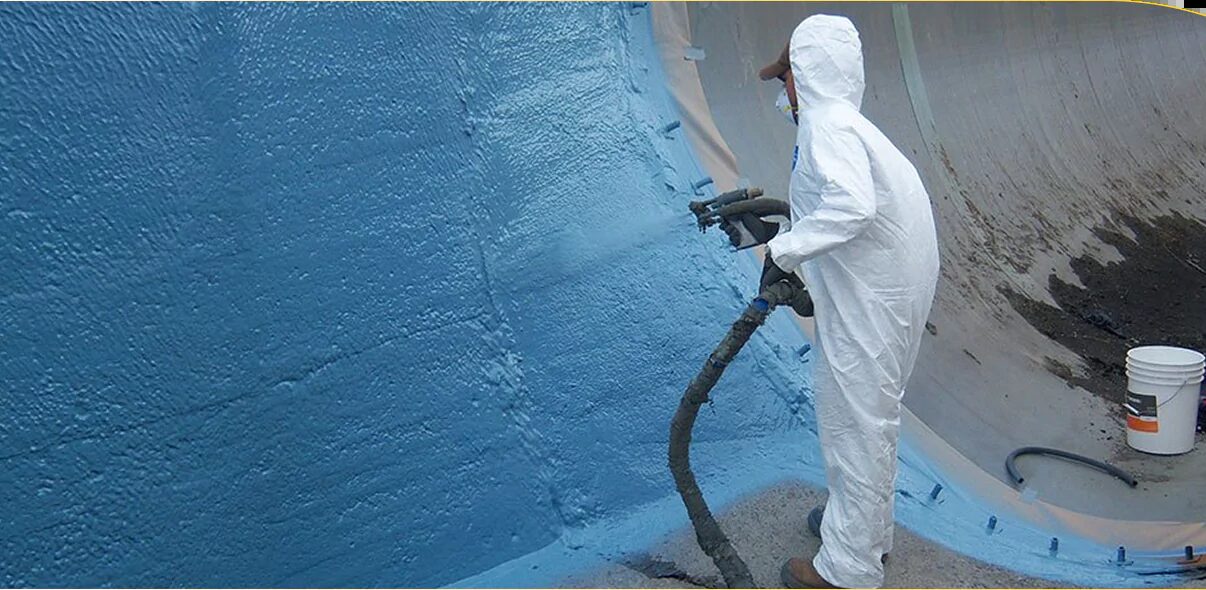
Plural-component, heated spray equipment builds the specified thickness in overlapping passes as a monolithic interior membrane. Rapid set makes overhead and vertical work practical. Confined-space controls, ventilation, and gas monitoring are mandatory for digester entry.
5. Cure, inspect, and verify continuity
Inspect coverage and discontinuities. Holiday or spark testing is commonly used on immersion linings to find pinholes before restart. Touch up with the same system and protect terminations so edges do not become future peel points.
Digester vs. Clarifier vs. Wet Well: Why Specs Differ
| Factor | Anaerobic digester | Clarifier / basin | Lift station wet well |
|---|---|---|---|
| Dominant chemistry | High H₂S / biogenic acid + sludge | Milder wastewater immersion | H₂S plus splash/cycle wetting |
| Gas containment | Critical | Usually open | Limited headspace, not a digester |
| Downtime sensitivity | Very high | High | High (bypass pumping) |
| Detail risk | Roof joints, penetrations, gas seals | Weirs, launders, floors | Pump mounts, pipe penetrations |
| Lining priority | Chemical resistance + gas-tight continuity | Immersion durability + cleanability | Chemical + mechanical stress |
A generic “wastewater rated” label is not automatically digester-ready. Ask for documented resistance relevant to digester exposure, and for procedures that cover gas-tight terminations—not only flat-wall thickness.
Questions Worth Asking Before You Award the Job
- Is the tank structurally sound enough for a lining, or does it need section replacement first?
- Has the scope defined headspace, immersion zone, and roof joints as separate detail packages?
- What surface-preparation standard and moisture limits is the applicator actually committing to?
- How will continuity be verified (holiday testing, thickness checks, documented hold points)?
- What is the realistic outage window, including cure and inspection—not just spray day?
Frequently Asked Questions
Can polyurea seal digester biogas leaks?
Yes—when a monolithic, well-terminated membrane is applied over a sound substrate. Prep and edge details decide the outcome; spraying over contamination will not create a reliable gas seal.
Is polyurea a substitute for concrete repair?
No. Rebuild lost section and stabilize the structure first. Polyurea protects and contains; it does not restore structural capacity.
How is this different from manhole or lift-station coating work?
The chemistry overlaps, but digesters add heated process conditions, longer immersion, and true gas-containment requirements. Planning, safety, and terminations are correspondingly stricter.
Closing
Digester tanks fail from a predictable mix of hydrogen sulfide chemistry, immersion, and imperfect containment details. When the structure is still a rehabilitation candidate, a high-build polyurea lining can isolate the substrate, restore a seamless barrier, and return the asset to service without full replacement. Lasting results come from treating preparation, joints, and inspection as seriously as the spray pass itself.
Start your own wastewater coatings business
Get equipment, training and lifetime support with the ArmorThane system — no franchise fees.