Polyurea vs. Epoxy Coatings for Wastewater Infrastructure: A Technical Comparison

The selection of protective coatings for wastewater infrastructure is among the most consequential materials decisions that municipal engineers make. Choose incorrectly, and the result is premature coating failure, accelerating corrosion, costly emergency rehabilitation, and potential regulatory violation. Choose well, and a properly coated structure can operate for decades without significant maintenance intervention. For wastewater applications, the most common decision point is between two dominant chemistries: epoxy and polyurea. Understanding the performance differences between these systems — at a molecular level, not just a marketing level — equips engineers and asset managers to make choices that reflect the actual demands of their specific operating environments.
Epoxy Coatings: Chemistry, Strengths, and Limitations
Epoxy coatings are formed by the reaction of an epoxide resin — most commonly a diglycidyl ether of bisphenol A (DGEBA) or a novolac epoxy — with a curing agent such as an aliphatic amine, amidoamine, or polyamide. The cross-linking reaction produces a highly cross-linked thermoset polymer network with excellent chemical resistance, strong adhesion to concrete and steel substrates, and good resistance to moisture vapor transmission in the cured state.
For wastewater applications, high-solids and 100% solids epoxy formulations are specified, eliminating the solvent-related adhesion and porosity problems that afflict lower-solids conventional coatings. Well-formulated 100% solids epoxies achieve compressive strengths exceeding 10,000 psi, tensile adhesion strengths to prepared concrete in the 400-600 psi range, and resistance to continuous immersion in wastewater, hydrogen sulfide atmospheres, and dilute mineral acids that is adequate for most conventional sewer and treatment plant environments.
The fundamental limitation of epoxy in dynamic wastewater infrastructure environments is its brittleness. The high cross-link density that gives epoxy its chemical resistance also restricts its ability to deform under load without cracking. Elongation at break values for typical structural epoxy formulations range from 1-5%, compared to 200-500% for polyurea elastomers. In concrete sewer structures subject to thermal cycling, differential settlement, hydrostatic pressure variation, and the vibration imposed by traffic loading above ground, strains at the coating-substrate interface routinely exceed the elongation capacity of rigid epoxy coatings. The result is a network of hairline cracks that progressively widens, providing pathways for corrosive species to reach the substrate and initiating disbondment that spreads from crack edges over time.
Epoxy’s cure behavior also creates installation vulnerabilities. The curing reaction is exothermic, proceeds at a rate strongly sensitive to temperature, and is inhibited by moisture at the substrate surface and in the ambient atmosphere. In the cool, humid conditions characteristic of sewer manholes and below-grade structures — exactly the environments where protective coatings are most needed — epoxy application requires careful temperature management, substrate heating, and application within strict relative humidity limits to achieve the intended cure quality. Failures attributable to ambient condition violations during epoxy application are common in field environments, and unlike polyurea, epoxy provides no second-chance — a compromised cure is not recoverable once the material has cross-linked.
Polyurea Elastomers: Chemistry, Performance, and Application
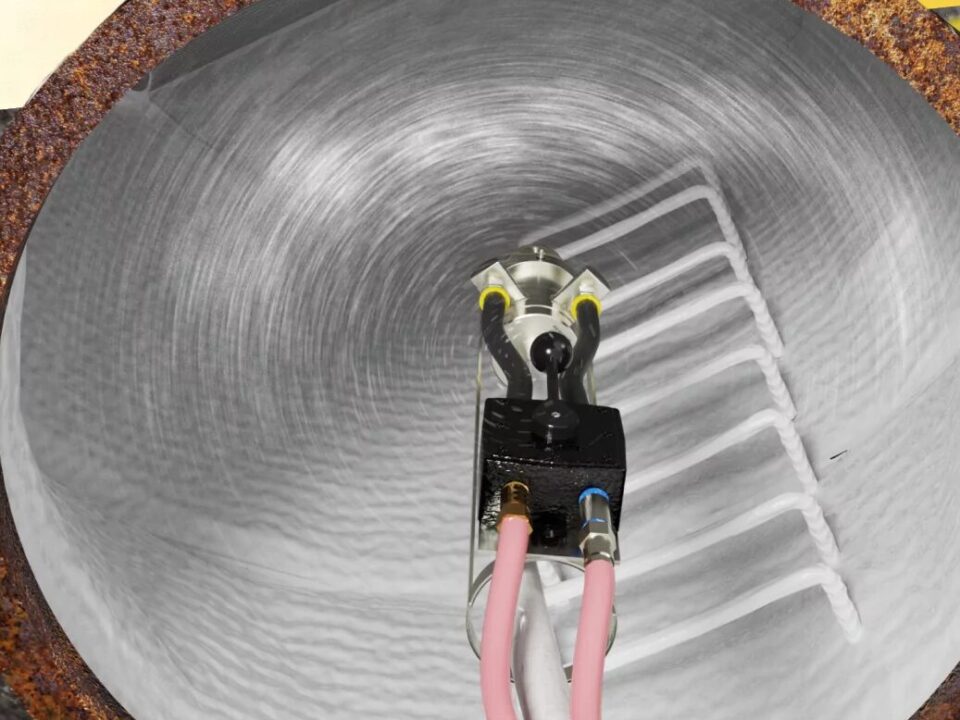
Polyurea is formed by the reaction of an isocyanate component with an amine-terminated resin blend. The reactivity of the amine group toward isocyanate is orders of magnitude higher than the hydroxyl groups used in polyurethane chemistry, producing gel times measured in seconds and full cure within minutes of application. This fast-cure characteristic dominates the practical installation experience of polyurea and drives most of its operational advantages over competitive coating chemistries.
The cured polyurea network is a segmented block copolymer with soft segment domains (derived from the polyether or polyester backbone of the amine-terminated resin) providing flexibility and elastomeric character, and hard segment domains (derived from the urea linkage formed by isocyanate-amine reaction) providing cohesive strength and chemical resistance. The phase-separated morphology of this copolymer structure is what enables polyurea to simultaneously achieve high elongation, high tensile strength, and excellent chemical resistance — properties that are mutually exclusive in simpler polymer architectures.
For wastewater infrastructure, polyurea’s elongation capacity is its most critical distinguishing property. A coating that can accommodate 300-400% elongation without tearing provides a fundamentally different level of crack-bridging protection than an epoxy that fails at 2-3% elongation. Concrete structures in service accumulate cracks over time — from original construction, from structural loading, from thermal cycling, and from the dissolution of paste phases by biogenic acid. A polyurea coating bridges these cracks as they form, maintaining the waterproof membrane function even as the underlying substrate continues to deteriorate. An epoxy coating, by contrast, transmits the stress of substrate cracking to the coating, which fractures and creates pathways for corrosive species to accelerate the crack propagation and substrate deterioration.
Moisture and Temperature Tolerance During Application
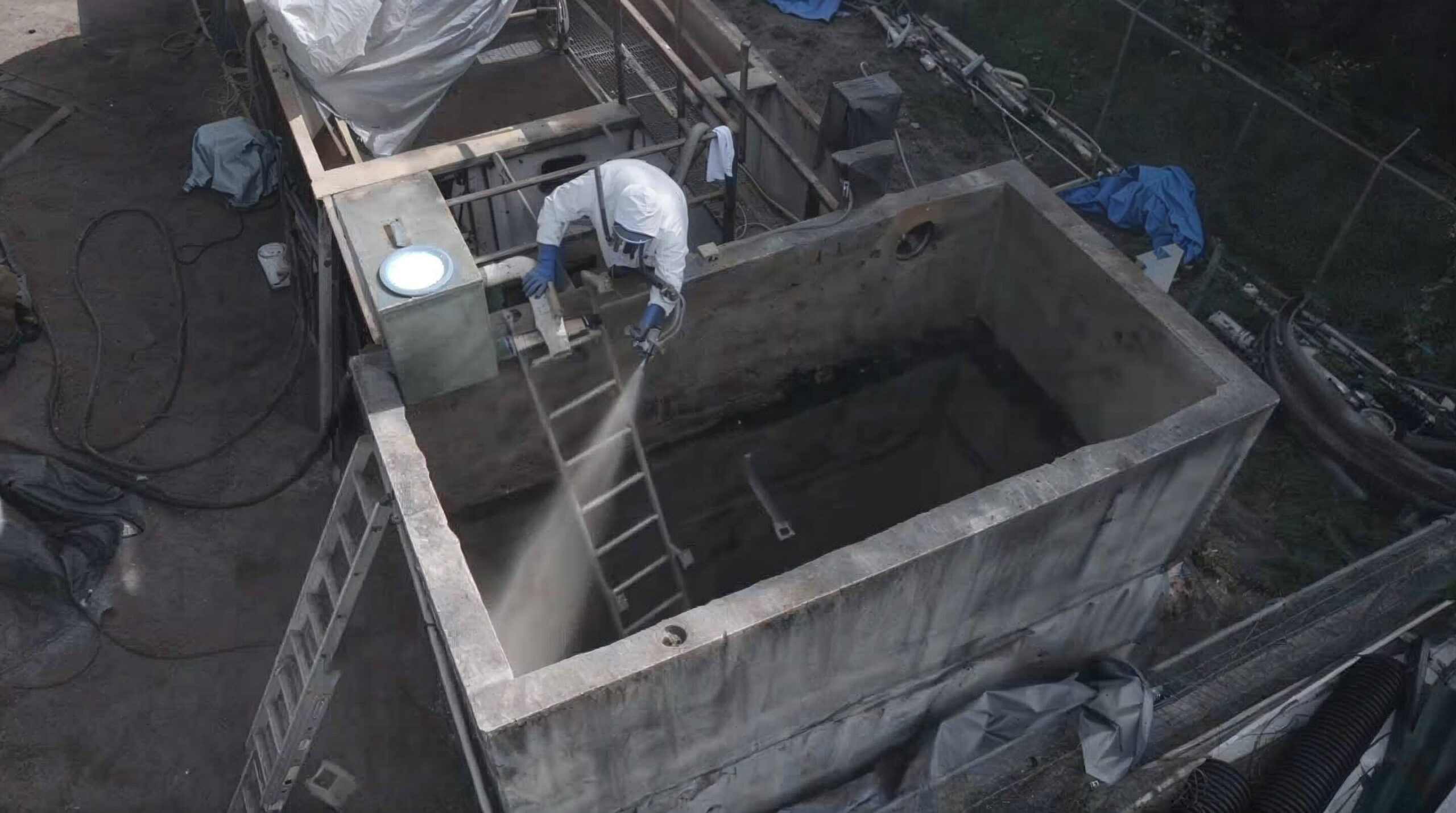
The practical installation advantages of polyurea are as significant as its in-service performance advantages. Polyurea’s amine-based cure chemistry is substantially insensitive to ambient moisture, curing reliably at relative humidity values up to 95% and on substrate surfaces with surface moisture short of free water. This tolerance enables application in the below-grade, humid environments characteristic of wastewater structures without the temperature management and atmospheric conditioning equipment that epoxy installation requires.
Temperature tolerance extends across an extraordinary range — polyurea formulations designed for infrastructure applications can be applied at substrate temperatures from below freezing to above 120°F, with the heated plural-component equipment managing the viscosity and reactivity of the components to achieve consistent film properties across this range. This year-round installation capability reduces the scheduling constraints that limit epoxy application programs in northern climates, where winter months that represent a significant portion of the annual construction season may be unavailable for epoxy application without costly heating operations.
Cost Comparison: Initial Investment vs. Lifecycle Value
The initial installed cost of polyurea is higher than epoxy on a per-square-foot basis, reflecting the capital cost of the specialized heated spray equipment required and the premium material cost of the two-component polyurea system. For typical sewer manhole rehabilitation applications, the polyurea installed cost premium over 100% solids epoxy ranges from 20-40% depending on application thickness specifications and job conditions.
This initial premium is erased and reversed when evaluated on a lifecycle cost basis. The superior crack-bridging performance of polyurea translates to longer intervals before reapplication is required — field experience from long-established polyurea programs consistently demonstrates service lives of 20-30 years in wastewater applications, compared to 10-15 years for properly applied epoxy and 3-7 years for cementitious coatings. The avoided cost of an additional rehabilitation cycle within the analysis period, combined with the reduced emergency repair frequency associated with polyurea’s more reliable crack-bridging protection, typically produces a lifecycle cost advantage of 15-25% for polyurea relative to epoxy when the comparison is made over a 20-year asset management horizon.
Application Context: When Each System Excels
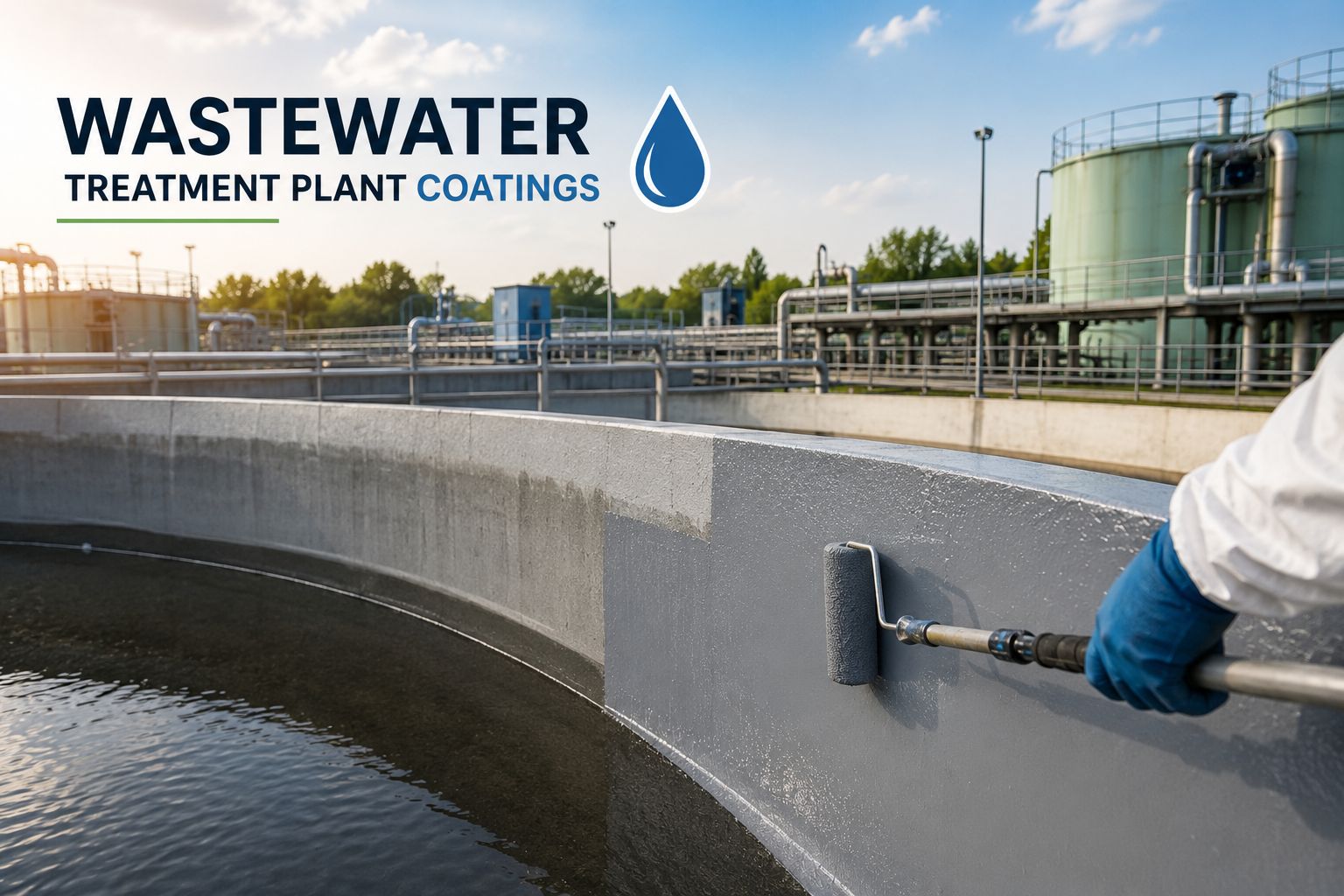
The performance comparison between epoxy and polyurea is not an absolute endorsement of one chemistry over the other — both have operating environments where they represent the appropriate technical choice. Epoxy coatings are well-suited to applications with stable substrates, controlled application conditions, and requirements for maximum surface hardness and chemical resistance to concentrated chemical exposure. Large-diameter pipeline interiors with relatively stable geometry, chemical storage tanks in controlled environments, and protection of specific equipment surfaces where hardness is prioritized over flexibility all represent contexts where high-quality epoxy can match or exceed polyurea performance at lower installed cost.
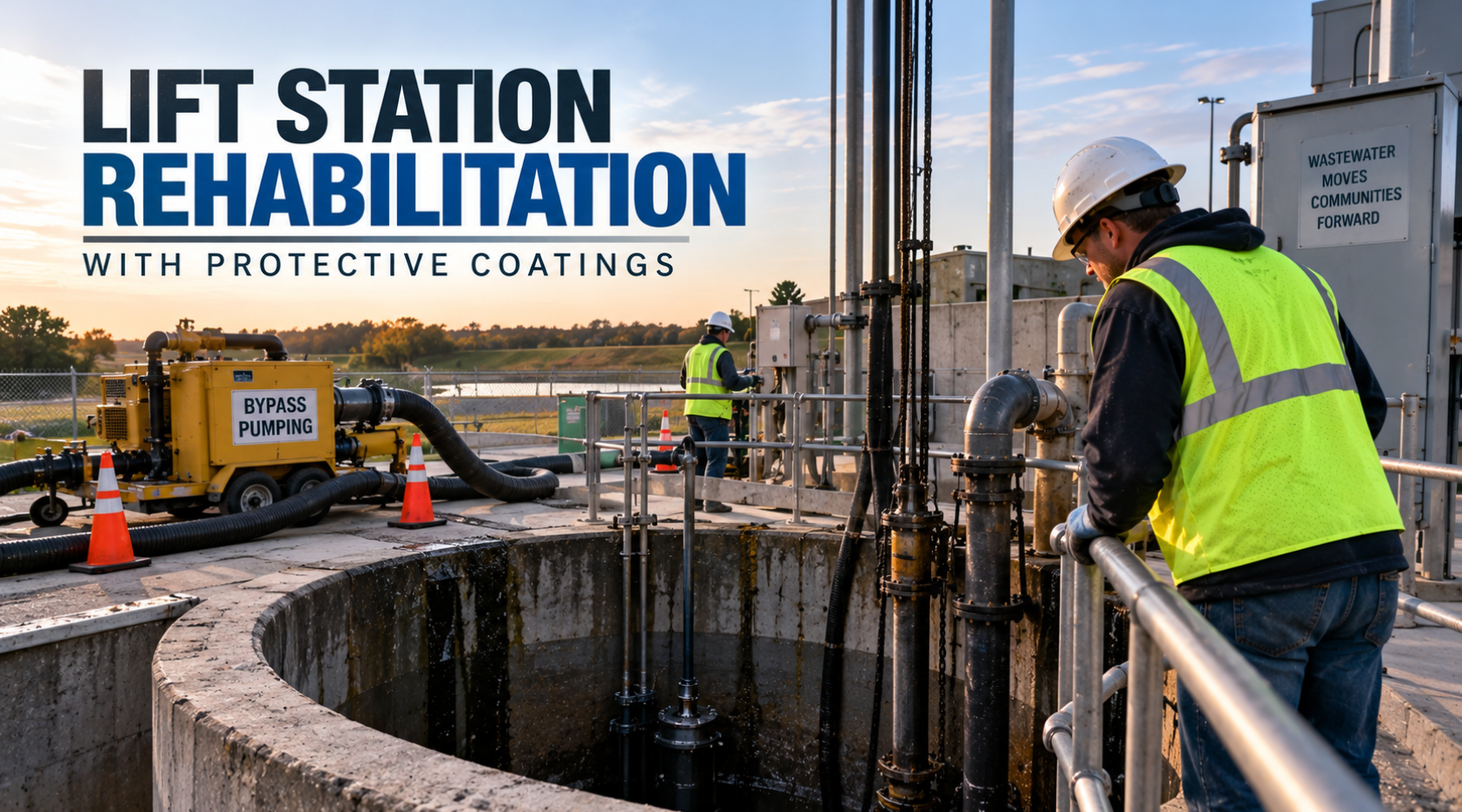
Polyurea is the preferred choice for applications involving dynamic substrates subject to cracking and movement, large surface areas requiring rapid return to service, outdoor and below-grade structures where application conditions cannot be controlled, and any application where elongation and crack-bridging are the primary performance criteria. For the majority of municipal wastewater collection system rehabilitation applications — manholes, wet wells, pump stations, and above-grade treatment structures — these conditions apply, making polyurea the technically superior and lifecycle-cost-effective choice.
Conclusion
The epoxy-versus-polyurea decision for wastewater infrastructure coatings is ultimately a question of which material’s performance characteristics best match the specific demands of the operating environment. For the dynamic, humid, chemically aggressive environments characteristic of wastewater infrastructure, polyurea’s combination of flexibility, rapid cure, moisture tolerance, and crack-bridging capability provides a compelling technical and economic case. Infrastructure managers who understand the fundamental chemistry behind these performance differences can make coating selection decisions that deliver the service life and lifecycle value their asset management programs require.
Start your own wastewater coatings business
Get equipment, training and lifetime support with the ArmorThane system — no franchise fees.